Vision Therapy for Adults: Can You Retrain Your Eyes After 50?
Experiencing visual fatigue, sudden double vision, or difficulty focusing is often accepted as an inevitable part of aging. While the physical hardening of the internal lens is a standard biological shift after age forty, persistent issues with eye coordination and muscle teaming indicate a functional processing problem. For individuals and families seeking vision care guidance in West Lebanon, NH, and surrounding communities, recognizing the difference between a simple refractive error and a neurological visual deficit is critical.
Many older adults assume that if they did not correct an eye alignment issue during childhood, the window for improvement has permanently closed. However, clinical understanding of the human brain has evolved significantly. Engaging in structured vision therapy for adults provides a scientifically grounded method for retraining the visual system. By addressing the root communication issues between the brain and the eyes, adults over fifty can alleviate chronic strain and restore comfortable, highly functional vision.
Understanding the Mechanics of Adult Vision Therapy
Vision therapy is a highly customized, doctor-supervised program designed to improve the functional coordination of the visual system. It is often described as physical therapy for the eyes and the brain. While prescription lenses alter how light enters the eye to provide optical clarity, therapy addresses how the brain interprets and reacts to that incoming light.
The visual system is incredibly complex, relying on intricate muscle movements and rapid neurological processing. When the brain and the extraocular muscles fail to synchronize perfectly, the result is visual stress, blurred text, or a complete inability to maintain focus on a single point. Therapy utilizes a sequence of specialized tools, lenses, prisms, and guided physical activities to rebuild these disrupted neural pathways.
A clinical therapy program does not involve simple, generic eye rolls or standard ocular stretches. It requires progressive, targeted challenges that force the brain to develop new, efficient ways of controlling eye alignment and processing spatial information.

The Reality of Adult Neuroplasticity
For decades, the prevailing medical belief was that the brain’s visual pathways became rigidly fixed by the age of eight or nine. This led to the widespread misconception that functional vision conditions could only be treated in young children. Modern neurological research has completely overturned this assumption through the discovery of continuous neuroplasticity.
Neuroplasticity is the brain's biological ability to reorganize itself by forming new neural connections throughout an individual's entire lifespan. While the brain of a young child is highly malleable, an adult brain retains a profound capacity to adapt to new sensory input and active training.
Because of this lifelong adaptability, adults in their fifties, sixties, and beyond can successfully retrain their visual system. Whether correcting a lifelong alignment issue or addressing a recent functional decline caused by illness, the adult brain is entirely capable of learning new motor patterns. The primary difference is that adults often require a more deliberate, focused approach to therapy to overwrite decades of ingrained visual habits.
Exploring Adult Strabismus Treatment
Strabismus, commonly referred to as crossed eyes or a wandering eye, occurs when the two eyes do not properly align on the same physical target. In older adults, strabismus can be a persistent condition carried over from youth, or it can develop suddenly due to muscle fatigue, vascular issues, or systemic health conditions. When the eyes fail to align, the brain receives two conflicting images, resulting in highly disorienting double vision.
Traditional medical approaches often lean toward surgical intervention to physically alter the eye muscles. However, surgery only changes the cosmetic alignment of the eyes; it does not teach the brain how to actively fuse the two separate images together into a single picture.
Engaging in adult strabismus treatment through vision therapy focuses directly on this neurological fusion. Therapy gradually trains the brain to recognize sensory input from both eyes simultaneously. By practicing specific binocular activities, adults learn to consciously control their eye alignment, reducing the frequency of double vision and establishing a stable, single field of view.
Treating Lazy Eye in Adults
Amblyopia, frequently known as a lazy eye, is closely related to strabismus but represents a distinct neurological issue. A lazy eye occurs when the brain actively suppresses or ignores the visual input from one eye to avoid seeing double. Over time, the suppressed eye loses its ability to see clearly, even with the strongest prescription lenses applied.
The traditional method for addressing amblyopia involved placing a restrictive patch over the stronger eye, forcing the weaker eye to work harder. While patching is still utilized in certain cases, modern clinical approaches for treating lazy eye in adults emphasize active binocular training.
Instead of isolating the weaker eye, advanced therapy forces both eyes to participate in complex visual tasks simultaneously. The use of specialized filters, virtual reality programs, and anaglyph glasses requires the brain to acknowledge and integrate the suppressed visual signal. This active integration helps restore depth perception and improves overall visual acuity in the lazy eye, proving that neurological suppression can be reversed in later adulthood.

Managing Digital Strain with Eye Tracking Exercises
Adults over fifty frequently experience severe visual fatigue when reading books or navigating complex digital spreadsheets. This fatigue is often attributed solely to presbyopia, the natural loss of near-vision focus. However, reading requires much more than simple magnification; it demands precise, coordinated movement across a static page.
When you read, your eyes do not glide smoothly in a continuous line. They make rapid, microscopic jumps called saccades, pausing briefly to process words before jumping to the exact next focal point. If your eyes consistently over-shoot or under-shoot the target, you will frequently lose your place, skip lines, or experience the physical sensation that words are swimming on the page.
Incorporating specific eye tracking exercises into a therapy program trains the ocular muscles to execute these jumps with exact precision. Updating your eyeglasses is absolutely essential for maintaining a sharp focal point, but lenses alone cannot force your eyes to move accurately. Therapy builds the physical stamina and mechanical control required to track text effortlessly, significantly reducing the neck tension and chronic headaches associated with prolonged screen use.
Vision Rehabilitation After Concussion and Brain Trauma
A sudden shift in functional vision is a highly common consequence of head trauma. Older adults who experience a fall, a minor vehicle collision, or a stroke frequently suffer from post-concussion vision syndrome. The physical impact of the trauma disrupts the delicate neural networks that coordinate eye movements, balance, and spatial awareness.
Individuals suffering from post-traumatic visual deficits often experience profound dizziness in visually stimulating environments, such as grocery store aisles or busy intersections. They may develop a severe sensitivity to fluorescent lighting or find it impossible to concentrate on a computer monitor without feeling highly nauseous.
Pursuing vision rehabilitation after concussion is a critical step in the recovery process. This specialized branch of therapy gently re-establishes the integration between the visual system and the vestibular system in the inner ear. By engaging in controlled visual-motor tasks, patients rebuild their tolerance to sensory input. Accessing comprehensive eye care services provides a structured, clinical environment where these post-trauma symptoms can be systematically evaluated, monitored, and treated.
The Diagnostic Process and Clinical Evaluation
Recognizing the need for visual retraining requires a comprehensive diagnostic approach. Standard vision screenings, which simply ask a patient to read static letters on a wall chart twenty feet away, are entirely insufficient for detecting binocular vision dysfunction. A patient can have perfect 20/20 eyesight but still suffer from severe tracking, convergence, or alignment issues.
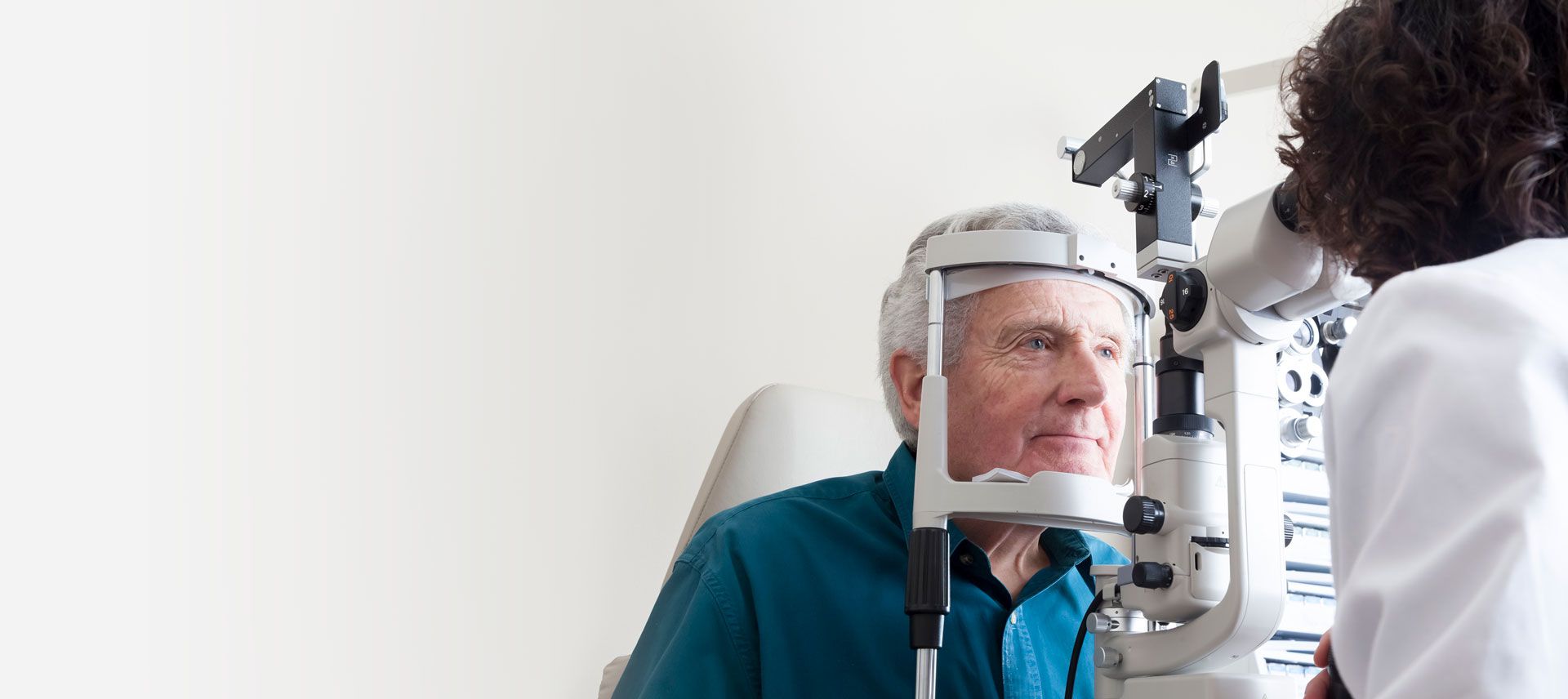
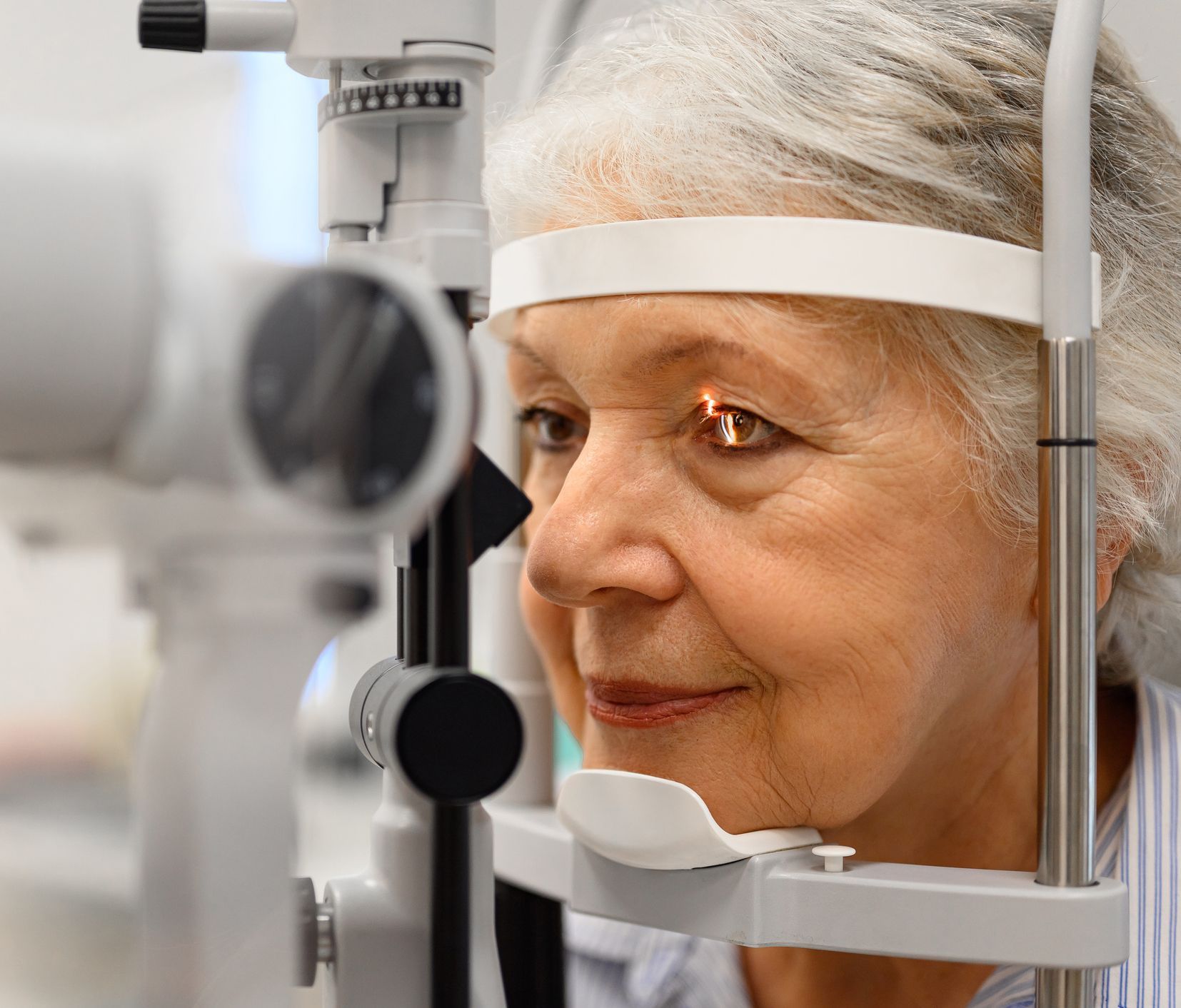
Scheduling comprehensive eye exams allows a clinician to measure exactly how your eyes perform under physical stress. An optometrist will evaluate your convergence ability, testing how well your eyes turn inward to focus on a near object without fatiguing. They will assess your depth perception and precisely track the speed and accuracy of your ocular movements. Establishing a precise clinical baseline rules out underlying ocular disease and dictates the exact sequence of therapeutic activities necessary to restore your visual comfort.

Frequently Asked Questions
Is it too late to fix a lazy eye in adults?
It is never too late to address a lazy eye. While treatment during early childhood is highly efficient, the adult brain retains continuous neuroplasticity throughout life. Through consistent, targeted binocular therapy, adults over fifty can actively train their brain to stop suppressing the weaker eye, leading to significant improvements in depth perception and overall visual acuity.
How is vision therapy for adults different from wearing reading glasses?
Reading glasses function as a static optical tool that alters the angle of incoming light, compensating for the eye's physical inability to focus on near objects. Vision therapy is an active, rehabilitative process that trains the neurological pathways controlling the eye muscles. While glasses provide immediate visual clarity, therapy fixes the underlying mechanical and processing deficits causing the chronic strain.
Can eye tracking exercises reduce headaches while working on a computer?
Yes, poor ocular tracking and convergence insufficiency are primary triggers for severe tension headaches. When your eyes struggle to maintain alignment on a computer screen, the ciliary muscles and the extraocular muscles are forced to overwork constantly. Eye tracking exercises build muscle stamina and improve the brain's control over these movements, directly eliminating the root cause of the muscular fatigue.
What does a typical adult strabismus treatment program look like?
A clinical treatment program for adult strabismus typically involves weekly, supervised sessions in a clinical setting, supplemented by daily prescribed exercises performed at home. The program utilizes specialized optical tools, such as prisms, specific lenses, and computerized targeting games, to systematically train the brain to fuse two separate images into a single, cohesive picture without suppressing either eye.
Does vision rehabilitation after concussion actually restore normal sight?
Vision rehabilitation focuses on repairing the brain's ability to process visual information and coordinate eye movements after a physical trauma. While it does not heal structural physical damage to the eye itself, it is highly effective at alleviating functional post-concussion symptoms like double vision, dizziness, light sensitivity, and reading difficulties by re-establishing healthy neural communication.
Conclusion
Accepting chronic visual discomfort, constant double vision, or severe screen fatigue as unavoidable aspects of midlife is entirely unnecessary. The adult visual system is highly dynamic, retaining the biological capacity to learn, adapt, and heal long after childhood. By understanding the profound difference between simple optical clarity and complex visual processing, you can seek out targeted, structural solutions. Engaging in a structured rehabilitative program empowers you to address the root causes of your functional symptoms. Retraining your eyes restores your ability to navigate the world comfortably, allowing you to maintain your independence and enjoy your daily activities without physical strain.
For individuals seeking additional information about this topic or professional vision care in West Lebanon, NH, Pro Optical provides eye exams, prescription eyewear, and contact lens services. Learn more at https://www.pro-optical.com/.