Prescription Sunglasses vs Transition Lenses: A Guide for Adults
Managing your vision outdoors becomes increasingly important after age 40. The eyes naturally grow more sensitive to bright light and glare over time, making proper ultraviolet (UV) protection a biological necessity rather than just a comfort measure. For individuals and families seeking vision care guidance in West Lebanon, NH, and surrounding communities, choosing the appropriate outdoor lens technology is a practical priority. When comparing prescription sunglasses vs transition lenses, the right decision depends entirely on your daily habits, your environment, and your sensitivity to light. Understanding the functional differences between these two optical solutions helps you maintain clear, comfortable vision throughout your daily activities.
The Biological Impact of Light on Aging Eyes
As the human eye matures, its internal structures undergo expected physical changes that alter how it processes light. The muscles controlling the pupil lose some of their elasticity. Consequently, the pupil cannot constrict as quickly or as tightly when stepping into bright sunlight, leading to sudden, uncomfortable glare.
Simultaneously, the crystalline lens inside the eye becomes denser. When bright light passes through this denser lens, the light waves scatter rather than focusing sharply on the retina. This scattering effect is what causes bright sunlight or reflections to look harsh and washed out. Prolonged exposure to UV radiation also accelerates the development of cataracts and macular degeneration. Protecting your ocular health requires a lens that filters 100% of UVA and UVB rays while providing the exact corrective power you need. The choice typically narrows down to two distinct options.

How Photochromic Technology Functions
Photochromic lenses, widely known by the brand name Transitions, are clear lenses that automatically darken when exposed to ultraviolet light. The lens material contains specialized molecules that react chemically to the sun's UV rays. When struck by UV radiation, these molecules shift their physical structure, causing them to absorb visible light and darken the lens.
When you return indoors, away from the UV source, the chemical reaction reverses. The molecules return to their original, resting state, and the lens becomes clear again. This dynamic process allows one single pair of glasses to function as standard indoor eyewear and outdoor sun protection. It is important to note that this chemical reaction is slightly temperature-dependent. Photochromic lenses often achieve a darker tint in cold winter weather than they do in extreme summer heat.
The Mechanics of Dedicated Tinted Lenses
Prescription sunglasses are dedicated frames fitted with permanently tinted lenses that contain your specific visual correction. The colored tint is applied during the manufacturing process and remains consistently dark regardless of the lighting environment or the temperature outside. They are designed to block bright, visible light and include a built-in UV filter to protect the retina.
Because the tint is static, you have complete control over the lens color. Gray tints provide true color perception, brown tints enhance contrast against green landscapes, and green tints help reduce visual fatigue. Because they are an entirely separate pair of glasses, you must manually swap them with your everyday clear glasses when moving between indoors and outdoors.
Driving with Transition Lenses vs Prescription Sunglasses
A common area of confusion for adults involves driving with transition lenses. Modern automobile windshields are manufactured to block nearly all ultraviolet light to protect the car's interior. Because standard photochromic lenses require direct UV exposure to activate their molecules, they will not darken significantly while you are inside a vehicle.
If your primary outdoor visual challenge involves facing severe glare during a long daily commute, standard transition lenses will not provide the relief you need. In this specific scenario, a dedicated pair of tinted sunglasses remains the superior optical tool. They provide immediate, unwavering darkness from the moment you put them on behind the wheel.

Evaluating Photochromic Lenses Pros and Cons
Reviewing the photochromic lenses pros and cons clarifies their daily utility for an active adult lifestyle.
- Pro: High convenience. You only need to carry and manage one pair of glasses throughout the entire day.
- Pro: Continuous UV protection. The lenses adjust to varying light conditions automatically, ensuring your eyes are protected even on overcast days.
- Pro: Cost efficiency. Purchasing one photochromic pair is generally less expensive than buying two completely separate pairs of prescription glasses.
- Con: Activation time. The lenses require about a minute to fully darken outdoors and several minutes to clear completely when returning indoors.
- Con: Limited darkening inside vehicles, as standard windshields block the necessary UV light required to trigger the lenses.
Evaluating Prescription Sunglasses Pros and Cons
Reviewing the pros and cons of dedicated sunglasses reveals their functional strengths for prolonged outdoor exposure.
- Pro: Immediate darkness. The lenses are permanently tinted, providing maximum glare reduction the second you put them on your face.
- Pro: Excellent for driving. They provide consistent, dark protection inside a vehicle regardless of the windshield's UV filter.
- Pro: Customization. You can choose specific tint colors, darkness levels, and add polarizing filters to eliminate blinding reflections from water or snow.
- Con: Physical inconvenience. You must carry a second hard case and physically switch your glasses whenever you change environments.
- Con: Higher upfront investment, as you are purchasing a completely separate set of frames and custom lenses.
Are Transition Lenses Worth It?
Many adults wonder, are transition lenses worth it? The answer depends on your physical environment and your tolerance for carrying multiple items. If you frequently move in and out of buildings, perform yard work, or simply dislike the hassle of carrying a second glasses case everywhere you go, photochromic lenses offer excellent daily utility.
They ensure your eyes are never accidentally exposed to harmful UV light simply because you left your secondary frames on the kitchen counter. For adults who want a simplified, all-in-one vision solution, the automatic adaptation of photochromic technology is highly practical.

Finding the Best Outdoor Eyewear for Adults
Selecting the best outdoor eyewear for adults involves matching lens capabilities to your specific routine. An avid hiker will appreciate the seamless adjustment of photochromic lenses as they move through shaded woods into bright sunlight. Conversely, someone who drives a delivery route all day will struggle without the constant darkness of permanently tinted lenses.
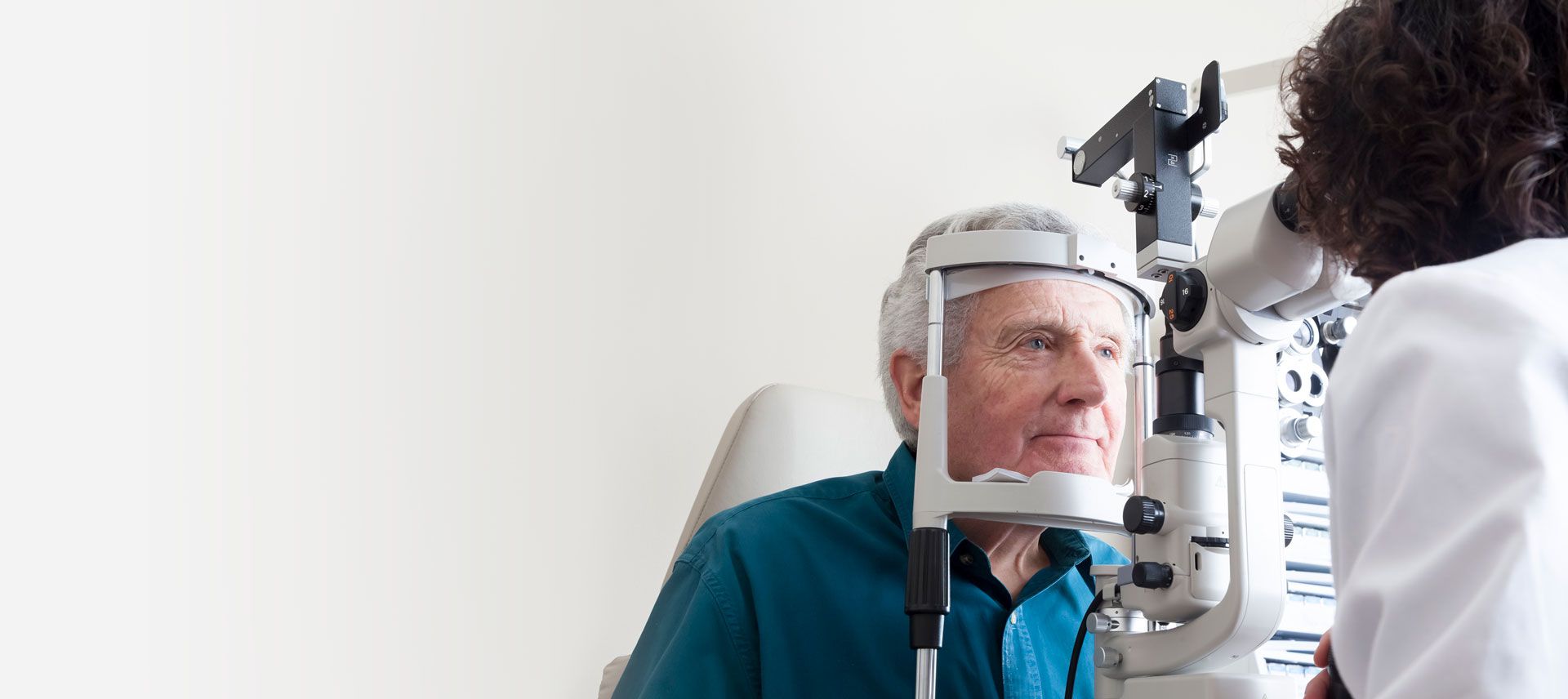
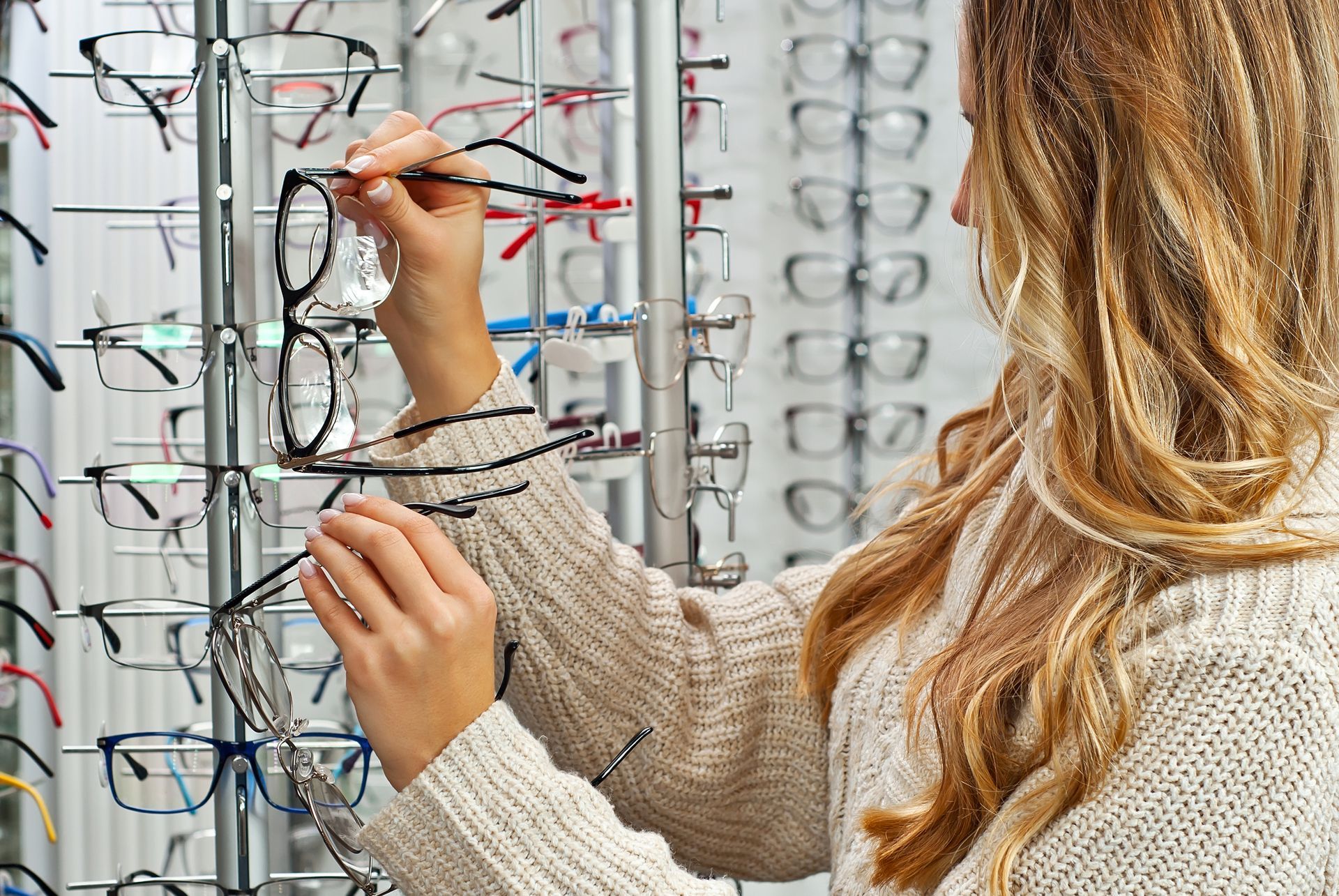
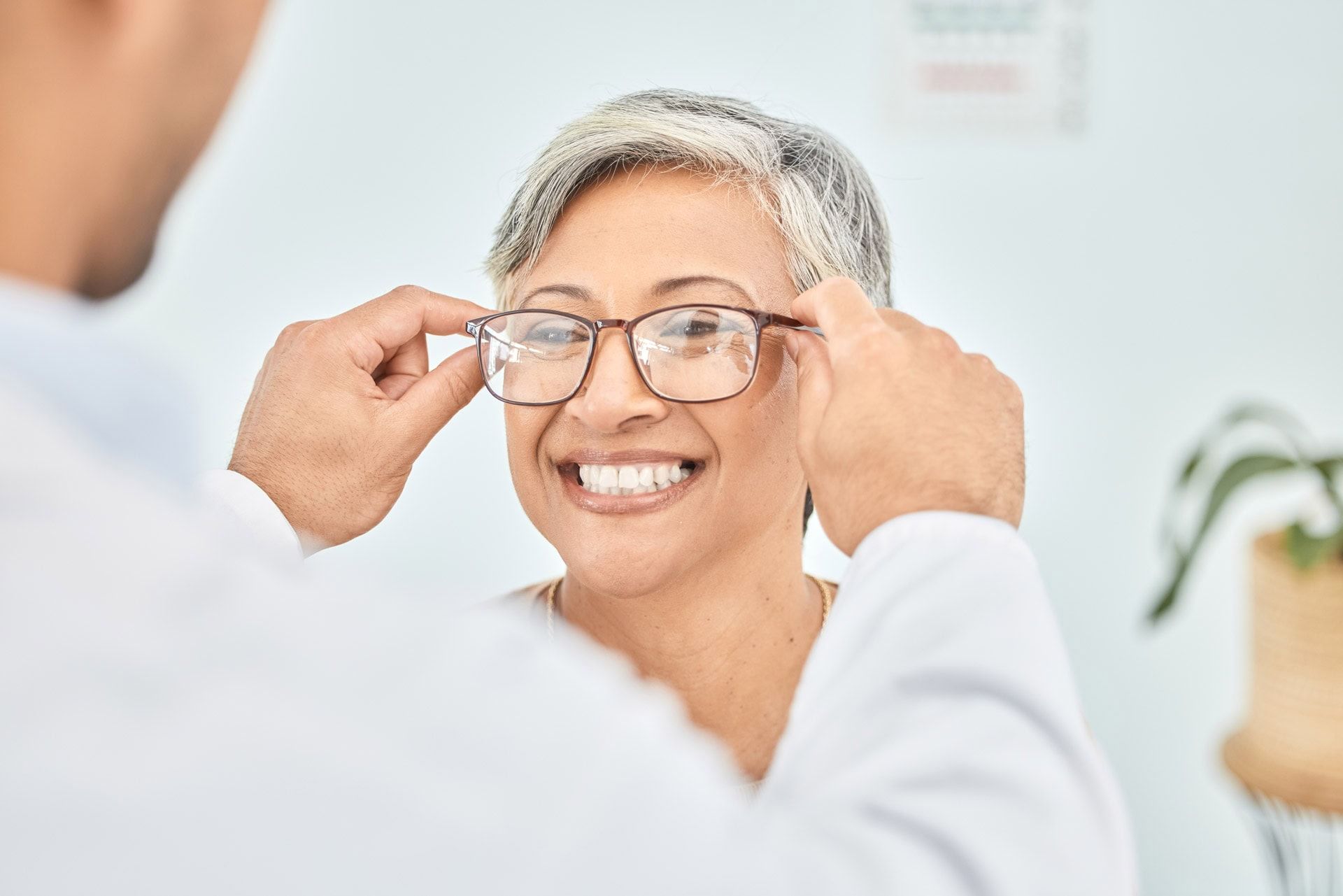
Before making a final decision, it is necessary to verify your current visual correction. Comprehensive eye exams ensure your new lenses provide precise clarity. A clinician can help determine if your eyes require single-vision lenses or a multi-focal design, like progressives, to accommodate age-related reading difficulties. Once your prescription is accurate, you can confidently browse everyday eyeglasses and specialized sunglasses to find frames that properly support your chosen lens technology.
Frequently Asked Questions
How long do photochromic lenses take to change color?
Most modern photochromic lenses begin to darken within 30 seconds of direct UV exposure and reach their maximum darkness in about one to two minutes. When returning indoors, they begin to lighten immediately but may take three to five minutes to become completely clear. Temperature can slightly affect this timing, with lenses clearing faster in warm environments.
Can progressive lenses be made into prescription sunglasses or transition lenses?
Yes, both optical solutions are fully compatible with progressive lens designs. You can order photochromic progressives to serve as your single daily pair, providing distance, intermediate, and near vision that adapts to light. Alternatively, you can order a dedicated pair of tinted progressive sunglasses specifically for outdoor reading and driving.
Do transition lenses protect against blue light from screens?
Yes. In addition to blocking 100% of ultraviolet light outdoors, the chemical structure of photochromic lenses inherently filters a significant amount of high-energy visible blue light emitted by digital screens, smartphones, and harsh indoor LED lighting. This can help reduce digital eye strain during long computer sessions.
Why are my eyes so sensitive to glare as I get older?
As the eye ages, the natural crystalline lens inside becomes denser and slightly cloudy. When bright light hits this denser lens, the light scatters irregularly rather than focusing sharply on the retina. This internal scattering causes a biological increase in glare sensitivity, making bright environments feel physically uncomfortable.
What does polarized mean for prescription sunglasses?
A polarized filter is a specific chemical layer applied to sunglasses that blocks horizontal light waves. This eliminates the blinding glare that reflects off flat surfaces like water, snow, or the hoods of other cars. Polarization drastically improves visual comfort and clarity, making it highly recommended for driving and water sports.
Conclusion
Deciding between prescription sunglasses vs transition lenses requires evaluating how you spend your time and what visual challenges frustrate you most. Photochromic technology offers the simplicity of a single pair of glasses that adapts to your environment, providing continuous UV protection without the need to switch frames. Conversely, dedicated tinted lenses offer immediate, unwavering darkness and superior comfort for driving. Both options effectively protect the aging eye from harmful ultraviolet radiation. By understanding these functional differences, you can select the optical solution that best supports your daily independence and overall visual comfort.
For individuals seeking additional information about this topic or professional vision care in West Lebanon, NH, Pro Optical provides eye exams, prescription eyewear, and contact lens services. Learn more at https://www.pro-optical.com/.