5 Clear Signs It’s Time to Upgrade to Progressive Lenses
Many adults over forty begin their journey with age-related vision changes by picking up a simple pair of magnifiers. For a while, this quick fix works perfectly well. Eventually, however, the daily routine of searching for those glasses becomes a physical disruption. For individuals and families seeking vision care guidance in West Lebanon, NH, and surrounding communities, recognizing when a temporary fix is no longer sufficient is critical for long-term comfort. Deciding to upgrade to progressive lenses permanently eliminates the daily visual hurdles associated with carrying multiple pairs of glasses. Understanding the specific indicators that your eyes need a more advanced optical solution helps you maintain clear, comfortable vision throughout your entire day.
The Biological Shift: Why Presbyopia Worsening Changes Everything
The crystalline lens inside the human eye is highly flexible during youth, allowing rapid focus changes from distant objects to close-up text. Around age forty, the proteins inside this natural lens begin to harden. The lens loses its elasticity, making it physically difficult for the eye muscles to force a sharp focus on near objects.
This normal biological process is known as presbyopia. When it first begins, mild magnification from over-the-counter reading glasses might provide enough assistance to read a book comfortably. However, presbyopia is a progressive biological condition. Over the next two decades, the crystalline lens continues to harden, and your near-vision focus will continually decline.
As presbyopia worsening becomes more apparent, the focal length of standard reading glasses becomes highly restrictive. Reading glasses only correct vision at one fixed distance—typically twelve to sixteen inches from your face. Everything beyond that fixed distance remains completely blurry. When your natural focusing ability diminishes entirely, you require a multi-focal lens to view your environment clearly and comfortably.

5 Signs You Need Progressives
Recognizing the right time to transition to advanced eyewear requires evaluating your daily visual comfort. If you experience the following functional challenges, it indicates a structural need for multi-focal lenses.
Here are 5 signs you need progressives:
- You are tired of taking reading glasses on and off: Constantly removing your glasses to look across the room, only to put them back on to read a document, creates constant frustration and visual interruptions.
- Your intermediate vision is blurry: Standard reading glasses do not correct vision at an arm's length. If you struggle to see a computer monitor or a car dashboard clearly, you need a lens with a dedicated intermediate focal zone.
- You rely on multiple pairs of glasses: Keeping separate glasses in your car, on your desk, and by your bed indicates that your current eyewear strategy is failing to support an active, mobile lifestyle.
- Your distance vision requires correction: If you already have a prescription for nearsightedness or astigmatism, placing over-the-counter readers over your contact lenses or constantly swapping between two prescription pairs causes unnecessary eye strain.
- You experience frequent visual fatigue: Trying to force your eyes to focus through incorrect optical zones leads to tension headaches, neck pain, and a feeling of heavy, tired eyes by the end of the workday.
Switching From Readers to Progressives: How the Lenses Work?
Switching from readers to progressives introduces your eyes to a completely different optical structure. Progressive lenses are a modern alternative to traditional lined bifocals. Instead of having a visible physical line separating a distance prescription from a reading prescription, a progressive lens features a gradual, continuous transition of magnifying power.
The upper portion of the lens contains the optical power needed to see far away. As your eyes move downward through the center of the lens, the power smoothly increases. This central corridor provides clear intermediate vision, which is absolutely critical for viewing computer screens and items at arm's length. The very bottom of the lens contains the strongest magnification power, specifically customized for reading fine print and performing close-up hobbies.
Because there are no visible dividing lines, progressive lenses look exactly like standard single-vision glasses. This continuous gradient allows you to view your environment naturally. You simply point your nose at the object you want to see and adjust your chin slightly up or down to find the perfect focal point within the lens.
The Neurological Adaptation Process
It is completely normal to experience a brief adjustment period when you first upgrade to progressive lenses. Because the lens contains three distinct optical zones, your brain must learn a new way to process visual information. During the first few days of wear, you may notice that straight lines appear slightly curved or that your peripheral vision feels somewhat soft.
This soft focus on the outer edges of the lens is a structural necessity of the progressive design. To blend three different prescriptions vertically without a visible line, the optical distortion is pushed to the far left and right edges of the lens material. You cannot glance sharply out of the corner of your eye to read a sign; the text will fall into this soft focus zone.
Through a process called neuroadaptation, your brain quickly learns to ignore the peripheral blur and automatically directs your eyes down the clear central corridor of the lens. For most adults, this neurological mapping takes between three days and two weeks of consistent wear. The most effective way to speed up this process is to put your new glasses on first thing in the morning and wear them continuously. Reverting back to your old single-vision reading glasses confuses your brain and prolongs the adaptation phase.

How Single-Vision Readers Contribute to Eye Strain
Many adults underestimate the physical toll that incorrect eyewear takes on the body over a long workday. Over-the-counter reading glasses apply a uniform magnification across the entire surface of the lens. If you look up from a book to watch television or speak to a colleague while wearing these glasses, your eyes are forced to look through a magnification power intended only for objects twelve inches away.
This forces the ciliary muscles inside the eye to work intensely to compensate for the incorrect focal length. Prolonged muscle contraction leads directly to ciliary spasm, which physically manifests as a deep, aching pain behind the eyes or a tension headache across the forehead.
By deciding to upgrade to progressive lenses, you completely eliminate this muscular strain. Because the top of the lens contains your exact distance prescription (or no prescription at all, if your distance vision is perfect), your eye muscles can relax completely when you look across the room. The lens does the focusing work for you, operating exactly how a healthy, youthful eye functions naturally.
When to Get Progressive Lenses
Determining exactly when to get progressive lenses depends heavily on your daily environment and your personal tolerance for visual frustration. If your job requires you to actively shift your focus between a computer monitor, printed documents, and coworkers across the room, delaying the transition often results in physical discomfort like chronic neck pain. This pain occurs because you are forced to lean forward or tilt your head at unnatural angles to see clearly through single-vision reading glasses.
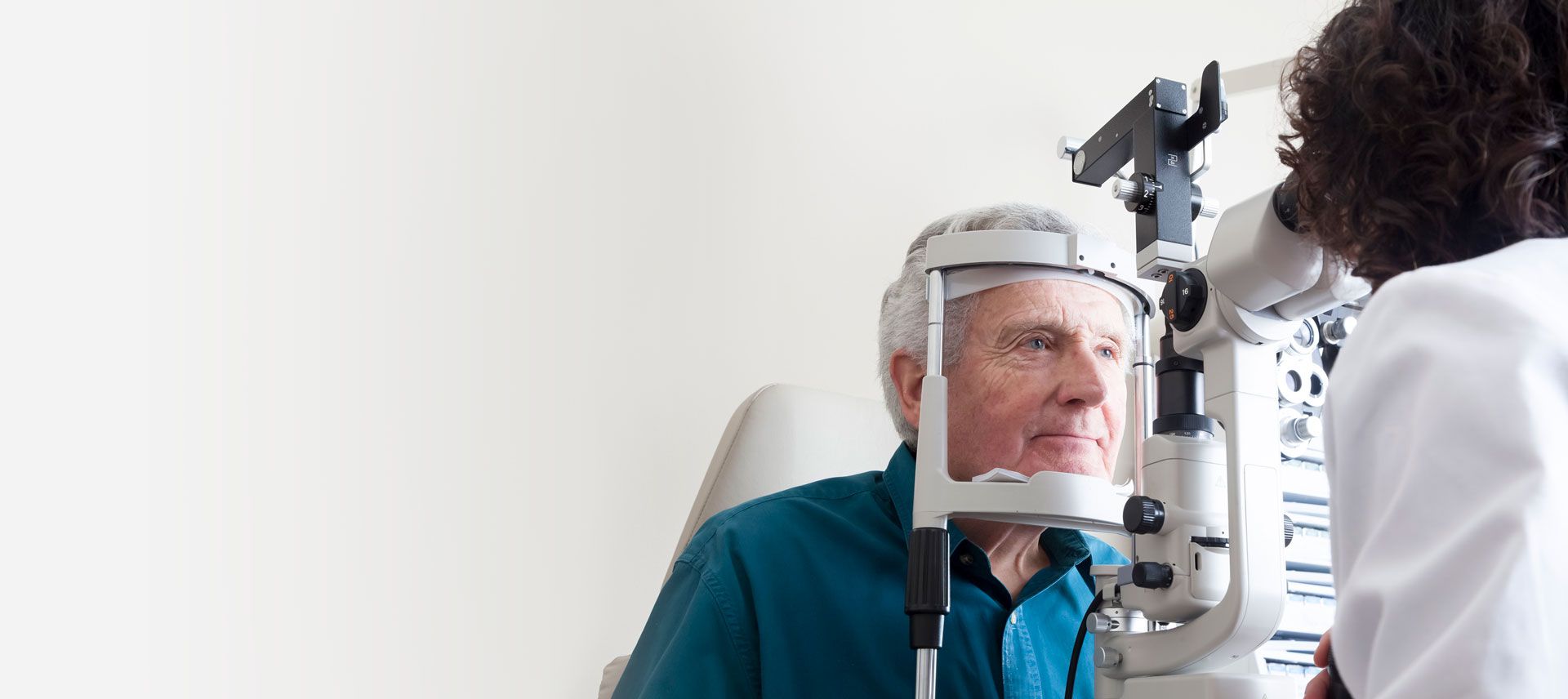
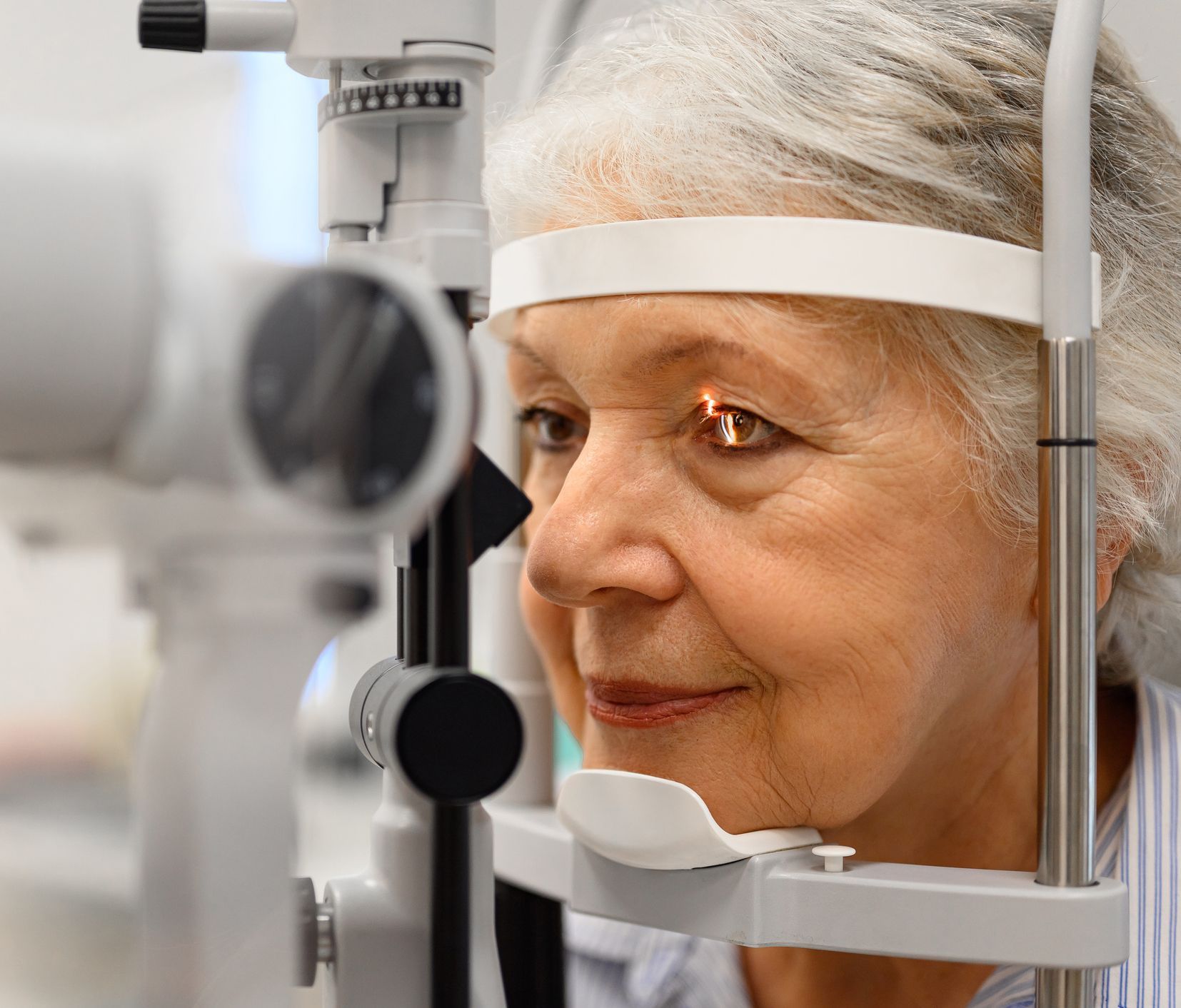
Before making the transition, you must have an accurate, up-to-date assessment of your visual health. The effectiveness of a progressive lens relies entirely on precise clinical measurements. Annual eye exams allow an optometrist to measure your exact visual acuity for distance, intermediate, and near tasks. They will determine the specific power required for the bottom portion of your new lenses, ensuring the magnification is strong enough to read comfortably without causing dizziness.
Once your prescription is updated, an optician will help you select frames that physically support a progressive lens design. The frame must have enough vertical height to accommodate the smooth transition of power from the top to the bottom. Upgrading your eyeglasses is a technical process that requires measuring your pupillary distance and the optical center of the specific frame you choose. Accessing professional eye care services guarantees that your new multifocal lenses are engineered precisely for your facial structure and your lifestyle demands.

Frequently Asked Questions
What is the main difference between reading glasses and progressive lenses?
Reading glasses are single-vision lenses that contain one uniform magnifying power designed exclusively for close-up tasks. They will blur objects that are far away. Progressive lenses are multi-focal lenses that contain three distinct zones: distance vision at the top, intermediate vision in the middle, and near vision at the bottom. This allows you to see clearly at all distances without ever removing the glasses.
How do I know if my presbyopia is worsening?
You can tell your presbyopia is worsening if you find yourself holding reading materials, like menus or smartphones, further away from your face to see them clearly. You may also notice that you require significantly brighter lighting to read standard text, or that your current reading glasses no longer provide sharp focus for small print.
Will progressive lenses make me dizzy?
Some new wearers experience temporary mild dizziness during the first few days of wearing progressive lenses. This occurs because the brain is learning to navigate the different optical zones and the soft focus on the peripheral edges of the lenses. Looking down through the reading zone while walking down stairs can cause disorientation. Pointing your nose directly at what you want to see and looking through the top distance portion of the lens when walking quickly resolves this feeling.
Can I use progressive lenses for computer work?
Yes, standard progressive lenses contain an intermediate zone in the center of the lens specifically designed for arm's-length tasks like computer work. However, if you spend eight hours a day working on multiple large monitors, an eye care professional might recommend dedicated occupational progressive lenses. These feature a much wider intermediate zone to maximize your screen-viewing comfort and reduce neck strain.
Do I need an updated prescription before switching?
Yes, an up-to-date prescription is strictly required before manufacturing progressive lenses. Because the lenses merge three different focal distances, the measurements for your astigmatism, distance vision, and reading addition must be perfectly accurate. Even a minor refractive error can disrupt the alignment of the optical corridor, causing the lenses to feel uncomfortable or blurry.
Conclusion
Navigating the natural biological changes of the aging eye requires practical, highly functional optical solutions. Recognizing the physical frustration of relying on single-vision magnifiers is the vital first step toward better visual hygiene. When you upgrade to progressive lenses, you permanently replace the disruptive habit of swapping eyewear with a continuous, clear view of your environment. By understanding the optical benefits of a multi-focal design and committing to the brief neurological adjustment period, you actively protect your eyes from unnecessary muscular strain. Prioritizing accurate clinical measurements and professional guidance ensures that your new lenses will successfully support your active lifestyle and daily independence for years to come.
For individuals seeking additional information about this topic or professional vision care in West Lebanon, NH, Pro Optical provides eye exams, prescription eyewear, and contact lens services. Learn more at https://www.pro-optical.com/.