The Connection Between Menopause and Dry Eyes: Relief for Women Over 50
Navigating the physical shifts of midlife brings many expected physiological changes, but ocular discomfort often catches people by surprise. If you find yourself constantly reaching for eye drops to soothe sudden, persistent irritation, you are not alone. The connection between menopause and dry eyes is a well-documented biological reality that frequently emerges as women enter their fifties.
For individuals and families seeking vision care guidance in West Lebanon, NH, and surrounding communities, understanding this specific hormonal link is the necessary first step toward restoring daily visual comfort. Standard over-the-counter redness relievers are rarely equipped to handle this complex structural issue. By learning exactly how hormonal fluctuations alter the surface of your eye, you can transition to targeted, effective management strategies that provide genuine relief.
What is Hormonal Dry Eye?
Hormonal dry eye is a chronic ocular condition triggered by the natural decline of estrogen and androgen levels during menopause. This hormonal shift impairs the meibomian glands, reducing the essential lipid production required to prevent the eye's tear film from evaporating.
This biological mechanism separates menopausal dryness from temporary environmental irritation like seasonal pollen or wind exposure. It is a systemic change that alters the actual chemical composition of the tears your body produces. Because the root cause is internal and ongoing, managing the condition requires consistent, daily attention rather than occasional, reactive treatment.
Why Are My Eyes So Dry and Gritty?
To understand why are my eyes so dry and gritty, it is helpful to look at the anatomy of the eyelid. The edges of your upper and lower eyelids contain dozens of microscopic structures called meibomian glands. These glands are responsible for secreting a protective oil onto the surface of the eye every time you blink.
Scientific research confirms that these meibomian glands are heavily regulated by sex hormones, specifically androgens and estrogens. When you are younger, steady hormone levels signal these glands to produce a continuous, high-quality flow of oil. As you enter perimenopause and menopause, the sharp decline in these hormone levels disrupts this signaling process. The glands become sluggish, and the oil they produce often thickens, clogging the gland openings. Without a steady supply of this clear oil, the surface of the eye loses its protective barrier, leading to the physical sensation of sand or grit trapped under the eyelid.
The Tear Film and Eyes Burning During Menopause
The physical sensation of eyes burning during menopause is directly tied to the destabilization of your tear film. The tear film is not just salty water; it is a complex, three-layered structure designed to nourish and protect the cornea.
The innermost layer is the mucin layer, which acts as an adhesive to bind the tears to the surface of the eye. The middle layer is the aqueous, or watery, layer produced by the lacrimal glands. The outermost layer is the crucial lipid, or oil, layer produced by the meibomian glands.
When hormonal changes reduce the oil layer, the middle watery layer is left entirely exposed to the air. It evaporates rapidly, often within seconds of a blink. This rapid evaporation leaves the sensitive nerve endings on the cornea exposed to the environment, which the brain interprets as a sharp, burning pain.
Why Standard Over-the-Counter Eye Drops Fail
Many women attempt to treat their discomfort by purchasing standard artificial tears at the pharmacy. While these drops may provide a few minutes of soothing moisture, the relief rarely lasts.
Most basic over-the-counter eye drops consist primarily of water and saline. If your core issue is a lack of protective oil due to menopause, adding more water to the eye does not solve the structural problem. The newly applied water simply evaporates just as quickly as your natural tears. Furthermore, many generic drops contain preservatives to extend their shelf life. When used multiple times a day to combat chronic dryness, these chemical preservatives can accumulate on the cornea, actively worsening the redness and burning sensations.
Effective Options for Hormonal Dry Eye Treatment
Achieving chronic dry eye relief during midlife requires strategies that address the missing lipid layer and reduce overall ocular inflammation. There are several clinically supported methods for managing this condition.
A daily warm compress is one of the most effective foundational treatments. Applying a medically designed, heated eye mask for ten minutes helps melt the thickened oil trapped inside the sluggish meibomian glands. Following the compress with a gentle eyelid massage helps express the clear oil back onto the surface of the eye.
For more advanced cases, a professional may prescribe specialized hormonal dry eye treatment options. Prescription eye drops, such as cyclosporine or lifitegrast, work by actively reducing the inflammation in the tear-producing glands, allowing them to function more efficiently. Another option involves the insertion of punctal plugs. These are microscopic, sterile devices placed into the tear ducts at the inner corners of the eyes. They act like a stopper in a sink, preventing natural tears from draining away and keeping moisture on the eye for a longer period.
Accessing comprehensive eye care services ensures that a clinician can evaluate the severity of your specific symptoms and recommend the appropriate clinical intervention.
Lifestyle and Environmental Adjustments
Your daily habits and physical environment play a significant role in managing visual comfort. Heated indoor air during the winter and constant air conditioning in the summer strip ambient moisture from the room, accelerating tear evaporation. Placing a humidifier in your bedroom or office adds necessary moisture back into the air, providing a more comfortable environment for your eyes.
Screen time also heavily influences dry eye symptoms. When adults focus on a computer monitor, smartphone, or television, their natural blink rate drops by more than half. Blinking is the physical action that spreads the protective oil across the cornea. By blinking less, the tear film breaks apart quickly. Practicing the 20-20-20 rule—looking at an object 20 feet away for 20 seconds every 20 minutes—helps restore a normal blink rate and rehydrates the eye.
If your vision has changed alongside your dry eye symptoms, updating your prescription eyeglasses can reduce the physical eye strain that often exacerbates feelings of fatigue and dryness.
The Importance of a Clinical Diagnostic Evaluation
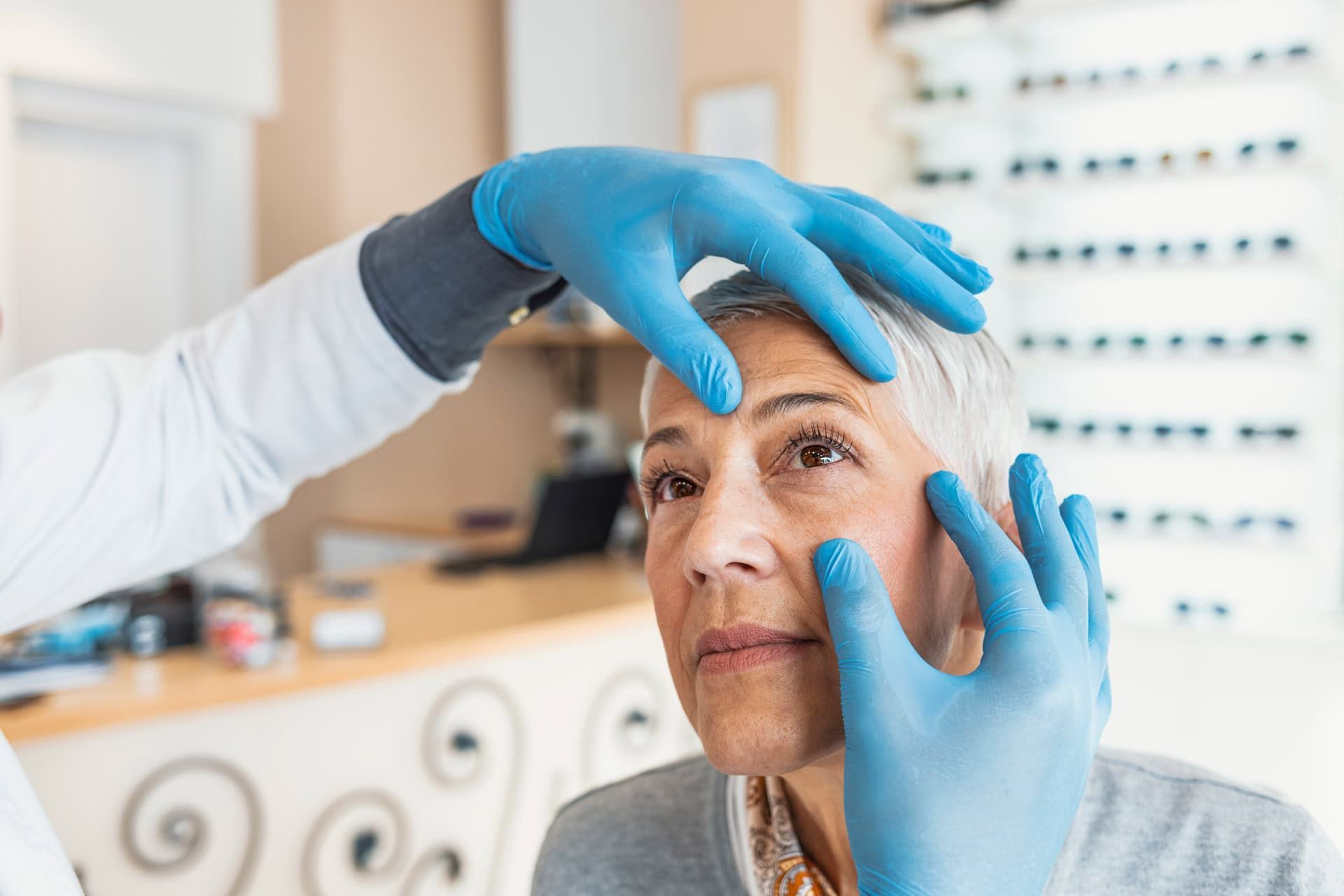
Because the symptoms of hormonal dryness overlap heavily with other ocular conditions, a professional evaluation is essential. Self-diagnosing and relying on temporary fixes can allow underlying inflammation to cause permanent damage to the tear glands.
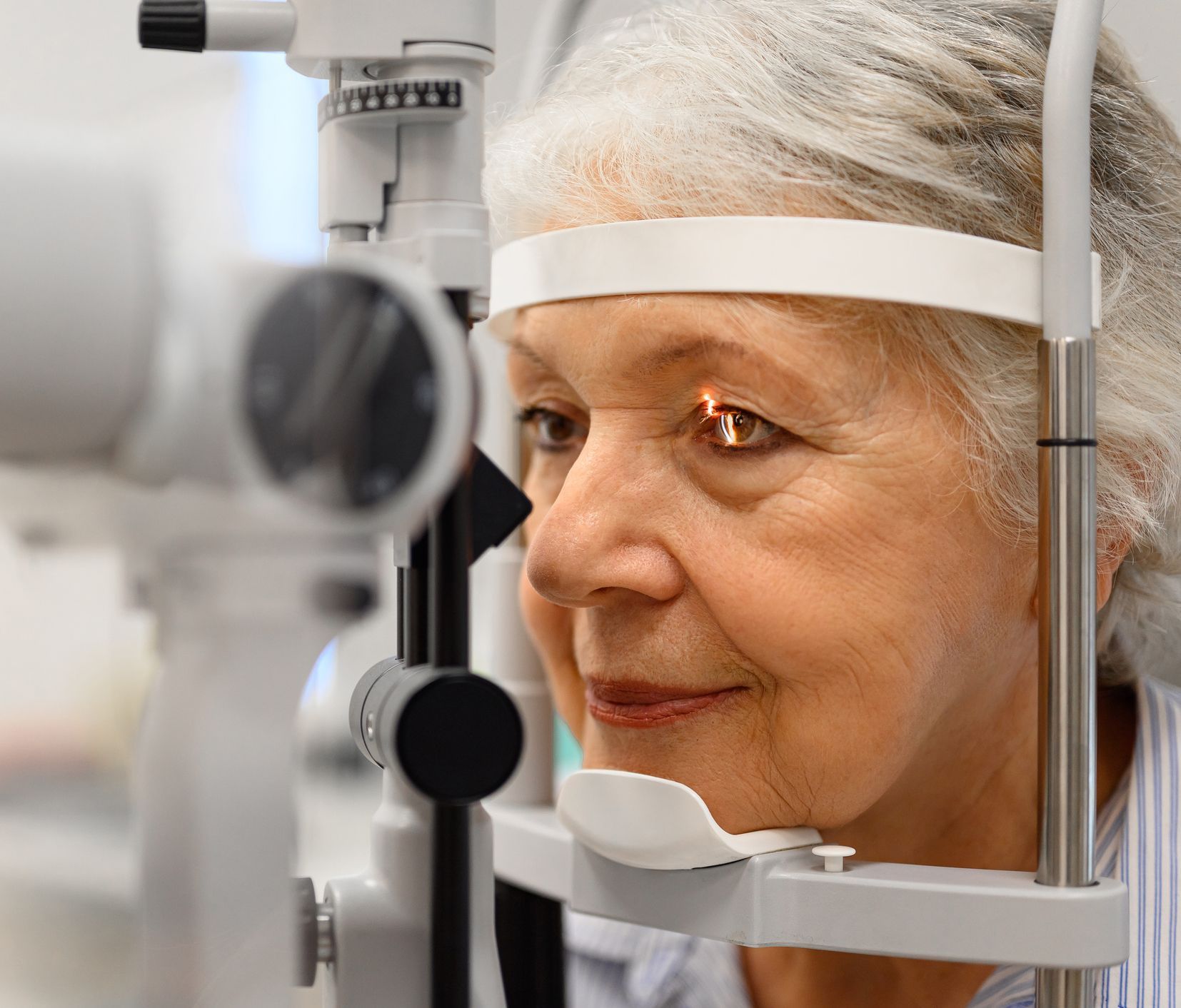
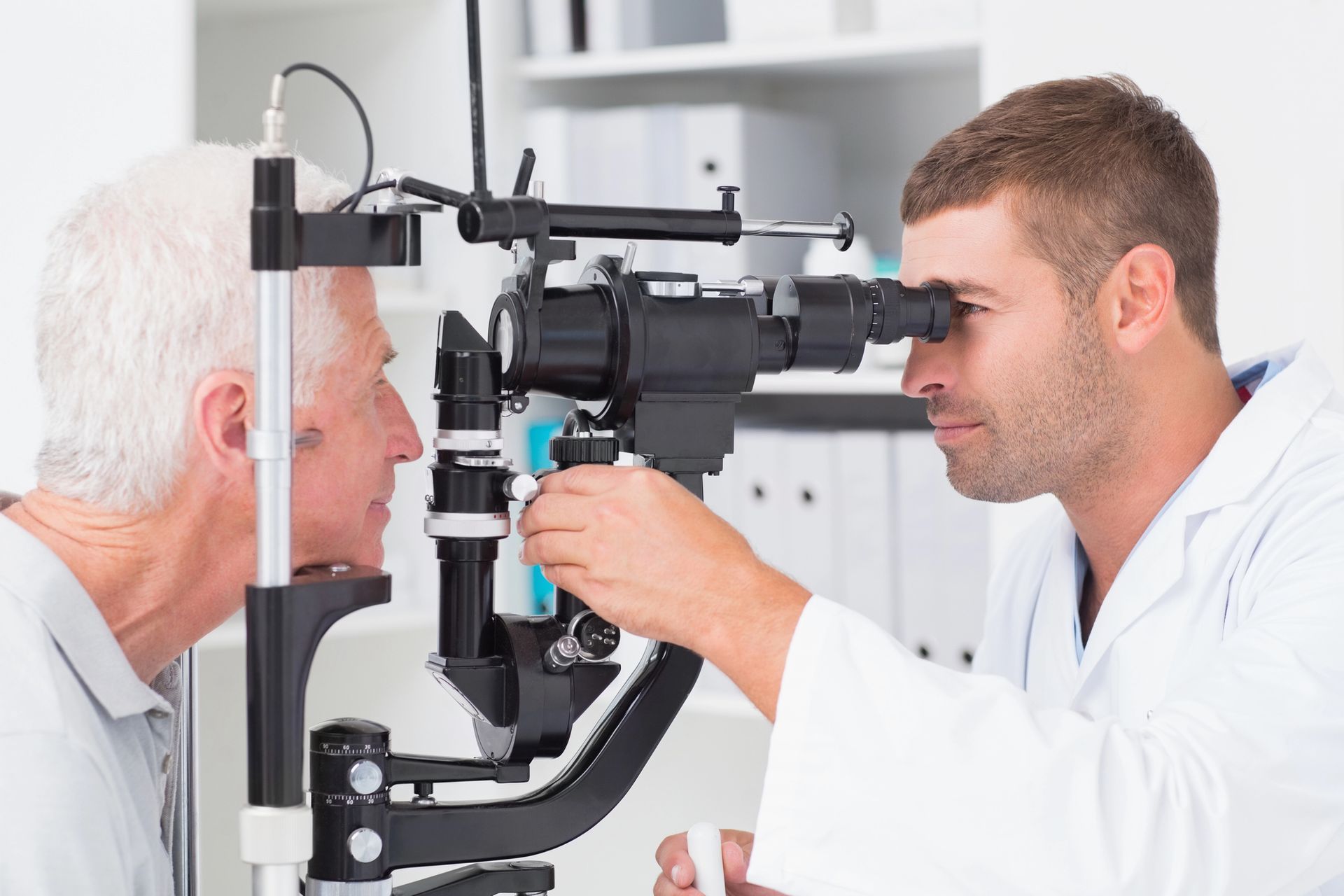
Scheduling routine eye exams allows a professional to examine the microscopic structures of your eyelids and measure your tear break-up time. This diagnostic test determines exactly how many seconds it takes for your tear film to evaporate after a blink, providing a clear metric for the severity of the dryness. A clinician can also safely evaluate the surface of the cornea for dry spots or microscopic abrasions caused by prolonged friction. Establishing a baseline of your ocular health ensures that your treatment plan is safe, accurate, and tailored to your specific physiological needs.

Frequently Asked Questions
Does menopause directly cause dry eyes?
Yes, the hormonal changes associated with menopause are a direct biological trigger for dry eyes. The significant drop in estrogen and androgen levels alters the function of the meibomian glands in the eyelids. This reduces the production of essential oils, leading to rapid tear evaporation and chronic ocular discomfort.
Why do my eyes feel worse when I wake up in the morning?
Morning discomfort is common because tear production naturally decreases while you sleep. Additionally, if your eyelids do not close completely during the night, the small exposed area of the cornea dries out significantly. Using a preservative-free ocular ointment or gel right before bed can provide a thicker layer of protective moisture throughout the night.
Can hormone replacement therapy (HRT) cure dry eyes?
The relationship between hormone replacement therapy and dry eyes is complex. While HRT effectively manages many systemic menopause symptoms, clinical studies show mixed results regarding ocular health. In some cases, specific types of estrogen-only therapy may actually worsen dry eye symptoms. You should discuss your specific visual symptoms with both your primary care physician and your eye care professional before altering any hormone regimens.
Are over-the-counter artificial tears safe to use every day?
Artificial tears are safe for daily use if you select the correct type. You should strictly use preservative-free artificial tears, which usually come in single-use vials. Drops that contain preservatives can cause toxic irritation to the cornea if used more than four times a day. You should also completely avoid drops marketed specifically to clear redness, as these constrict blood vessels and create a rebound effect that makes redness worse over time.
Will my dry eyes improve after menopause is over?
Hormonal dry eye is generally considered a chronic condition. Because the hormone levels remain permanently lower post-menopause, the meibomian glands require ongoing management to function properly. However, with a consistent daily routine of eyelid hygiene, warm compresses, and professional guidance, the symptoms can be managed effectively, allowing you to maintain clear and comfortable vision indefinitely.
Conclusion
The connection between menopause and dry eyes is a natural, biological shift that requires specific, targeted management. Understanding how declining hormone levels compromise the protective lipid layer of your tear film explains why standard remedies often fail to provide lasting comfort. By implementing a proactive treatment plan that focuses on restoring gland function and minimizing evaporation, you can successfully navigate this transition. Prioritizing your ocular health allows you to alleviate the burning and grittiness, ensuring your eyes remain comfortable and your vision stays clear throughout your daily activities.
For individuals seeking additional information about this topic or professional vision care in West Lebanon, NH, Pro Optical provides eye exams, prescription eyewear, and contact lens services. Learn more at https://www.pro-optical.com/.