Do You Use a CPAP Machine? How to Prevent CPAP Machine Dry Eyes
Sleep apnea is a serious respiratory condition, and continuous positive airway pressure therapy is the standard medical treatment. While this device effectively keeps your airway open during the night to maintain oxygen levels, many users experience an unexpected and highly uncomfortable side effect the next morning. For individuals and families seeking vision care guidance in West Lebanon, NH, and surrounding communities, understanding the physical relationship between your respiratory device and your ocular health is essential.
Experiencing cpap machine dry eyes is a widespread physical issue caused directly by overnight air exposure. Recognizing why this happens and how to properly manage the airflow from your machine allows you to protect your sensitive tear film. Addressing this specific environmental factor ensures you wake up with comfortable, clear vision rather than a painful burning sensation.
The Mechanics of Sleep Apnea Therapy and Ocular Exposure
To understand why your breathing apparatus affects your vision, you must look at how the tear film functions during sleep. The human eye relies heavily on closed eyelids during the night to lock in moisture and allow the meibomian glands to regenerate the protective lipid layer of the tears. When you use a continuous positive airway pressure machine, a steady stream of pressurized air is pushed through a hose into a facial mask.
When the physical seal of that mask breaks or rests improperly against the bridge of the nose, high-velocity air escapes from the top edge. This escaping air blows directly across the small gaps between your resting eyelids. This constant, forced air current aggressively accelerates the evaporation of the tear film.
Waking up with dry eyes sleep apnea style often feels entirely different from typical daytime screen fatigue because the eye has been subjected to hours of continuous, localized dehydration. The sensitive tissues of the cornea become physically parched. Without the natural defense of a stable tear film, the friction of your eyelids opening in the morning creates sharp discomfort.
The Link to Floppy Eyelid Syndrome
Beyond simple mask leaks, there is a specific anatomical condition frequently associated with obstructive sleep apnea that directly compounds overnight evaporation. This condition drastically increases the severity of morning discomfort.
Floppy eyelid syndrome cpap users experience involves a severe loss of elasticity in the upper eyelids. The connective tissues and tarsal plates within the eyelids become highly flexible and rubbery. Because sleep apnea patients often toss and turn or sleep with their faces pressed deeply into their pillows, these loose eyelids can easily fold or flip entirely inside out during the night.
When an eyelid flips open during sleep, the cornea is completely exposed to the ambient air of the bedroom, as well as any direct draft escaping from the breathing apparatus. This extreme physical exposure completely strips away the protective moisture layer, creating severe microscopic abrasions on the surface of the eye by morning. Identifying this specific structural laxity is a critical part of treating chronic morning irritation.

Recognizing the Symptoms of Nocturnal Tear Evaporation
Patients often find the physical symptoms of overnight evaporation confusing. You might assume a dehydrated eye would simply feel devoid of moisture, but the exact opposite frequently occurs.
When the cornea becomes severely dehydrated during the night, the sensitive nerve endings on the surface of the eye send a distress signal to the brain indicating an injury. The brain responds by triggering the lacrimal gland to produce a massive flood of emergency reflex tears. This biological mechanism explains why you might wake up with eyes that are simultaneously burning and excessively watery.
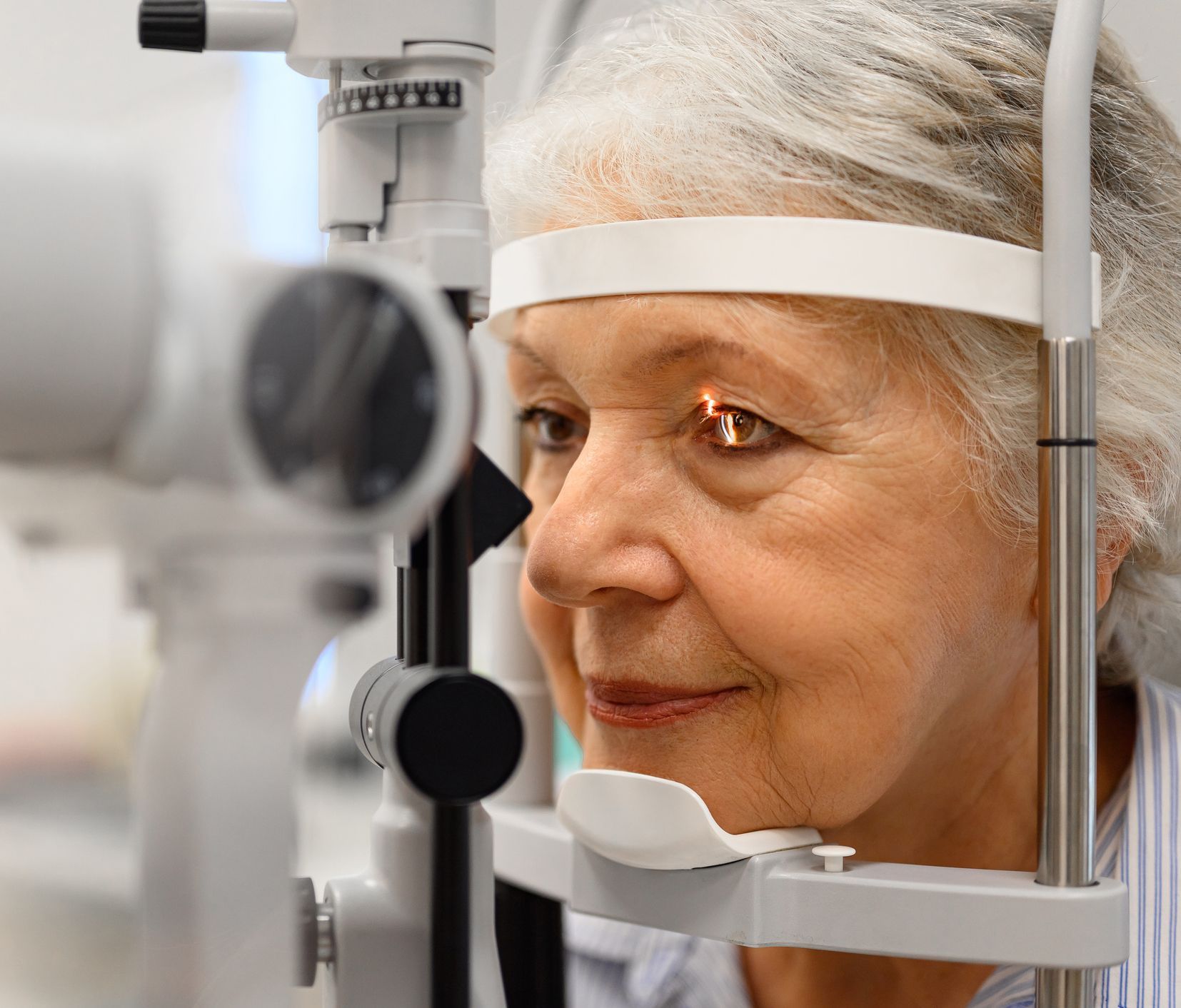
These emergency reflex tears consist primarily of water and lack the protective oils necessary to actually soothe and coat the eye. They wash rapidly over the irritated cornea and drain down your cheeks, leaving the eye just as vulnerable to friction as it was before. Differentiating between an overactive tear duct and severe underlying dryness requires a comprehensive clinical evaluation. Scheduling routine eye exams allows a professional to accurately measure your baseline tear production and identify microscopic signs of overnight exposure on the corneal surface.
Practical Steps for Preventing Eye Irritation From a CPAP Mask
Addressing this morning discomfort begins with evaluating the physical equipment you use every night. The most direct cause of ocular irritation is an improper or degraded seal around the bridge of the nose.
Preventing eye irritation from a cpap mask requires routinely checking the fit and condition of your headgear. The silicone cushions that rest against your face naturally degrade over time due to daily contact with skin oils and normal wear. As the silicone breaks down, the mask loses its ability to hold a firm, airtight seal, significantly increasing the likelihood of air leaking upward toward your eyes. Replacing the mask cushion strictly according to the manufacturer's schedule is a primary preventative measure.
Adjusting the tension of the mask straps is also critical. Many users pull the top straps extremely tight in an attempt to forcefully stop a leak, which often distorts the shape of the silicone cushion and actually makes the leak worse. A mask should rest gently against the face, allowing the air pressure from the machine to inflate the cushion and create a natural, buoyant seal. You can also discuss alternative mask styles, such as nasal pillows that sit beneath the nostrils rather than over the nose, with your sleep specialist to redirect the airflow completely away from the ocular area.

Medical Strategies for Overnight Dry Eye Relief
If optimizing your mask fit does not fully resolve the issue, you must introduce protective physical barriers to maintain ocular moisture while you sleep.
Achieving consistent overnight dry eye relief often involves applying a heavy, preservative-free lubricating ointment immediately before bed. Unlike standard liquid drops that wash away in a matter of minutes, an ointment is highly viscous and coats the cornea in a thick, long-lasting protective layer. This physical barrier heavily shields the eye from escaping air currents. Because ointments temporarily blur your vision, they are designed exclusively for nighttime use.
For adults experiencing severe exposure or those diagnosed with loose eyelids, physical sleep masks provide excellent structural protection. Medical-grade moisture goggles create a sealed, humid environment directly around the eyes, blocking drafts completely. Some patients also use specialized, hypoallergenic medical tape to gently secure their eyelids shut before sleep, entirely preventing the lids from flipping open on the pillow.
Addressing chronic morning dryness also reduces the visual fatigue you experience during the rest of the day. If your eyes are starting the morning already irritated, forcing them to focus through an outdated or incorrect prescription will only worsen the physical strain. Updating your eyeglasses reduces daytime ciliary muscle fatigue, allowing your eyes to rest more effectively at night. Accessing comprehensive eye care services guarantees that a clinician can evaluate the severity of your corneal irritation and recommend the precise combination of ointments and protective gear necessary for your specific anatomical needs.
Frequently Asked Questions
Why does my CPAP make my eyes water and burn?
Your eyes water and burn because pressurized air is escaping from the top of your mask and blowing directly across your eyelids while you sleep. This constant draft rapidly evaporates your natural tear film, leaving the sensitive surface of the cornea dry and exposed.
When the cornea becomes excessively dry, your brain triggers a flood of emergency reflex tears to try and lubricate the eye. Because these reflex tears are mostly water and lack essential oils, they do not provide lasting comfort, resulting in eyes that stream tears but still feel physically burned and irritated.
Can CPAP machine dry eyes cause permanent damage to my vision?
If left completely unmanaged for a long period, chronic severe dry eye can lead to complications that threaten visual clarity. The friction of the eyelid blinking over a completely dry cornea can create microscopic scratches on the surface of the eye.
Over time, repeated corneal abrasions can lead to the development of scar tissue or increase the risk of serious bacterial eye infections. While blindness from this specific issue is rare, the persistent inflammation can permanently alter the smooth optical surface of the eye, making it difficult to achieve sharp focus even with prescription lenses.
Should I stop using my CPAP if my eyes are severely irritated?
You should never discontinue prescribed continuous positive airway pressure therapy without directly consulting your primary care physician or sleep specialist. Sleep apnea is a serious medical condition that significantly increases the risk of high blood pressure, stroke, and cardiovascular disease when left untreated.
Ocular irritation is a highly manageable side effect. By adjusting your mask fit, using protective moisture goggles, and applying nighttime lubricating ointments, you can successfully protect your eyes while maintaining the critical respiratory support your body requires.
What type of eye drops work best for overnight dry eye relief?
Standard, over-the-counter liquid artificial tears are generally ineffective for overnight relief because they evaporate or wash away too quickly to protect the eye for eight hours. Additionally, drops containing preservatives can cause toxic irritation to the cornea if used excessively.
For overnight protection, eye care professionals typically recommend preservative-free lubricating gels or thick ocular ointments. These highly viscous products physically coat the surface of the eye, creating a durable barrier that traps moisture against the cornea and shields it from escaping mask drafts throughout the entire night.
How do I know if I have floppy eyelid syndrome?
Floppy eyelid syndrome is characterized by upper eyelids that feel extremely rubbery, loose, and easily pliable. You may notice that your eyelids frequently turn inside out when you rub your eyes, wash your face, or press your face into a pillow while sleeping.
Because the symptoms overlap heavily with standard dry eye and allergies, it requires a clinical diagnosis. During a standard evaluation, an optometrist will gently pull the upper eyelid upward and outward to measure its elasticity and check the underside of the lid for the specific type of chronic inflammation associated with the syndrome.
Conclusion
Managing the intersection between your respiratory health and your vision requires a proactive, informed approach to your nightly routine. Recognizing that cpap machine dry eyes are caused by physical air leaks and nocturnal tear evaporation is the first step toward lasting comfort. By properly adjusting your mask seal, utilizing protective overnight ointments, and monitoring for anatomical changes like loose eyelids, you can prevent severe morning irritation. Prioritizing these protective strategies allows you to safely maintain your sleep apnea therapy while ensuring your eyes remain healthy, lubricated, and ready for the day ahead.
For individuals seeking additional information about this topic or professional vision care in West Lebanon, NH, Pro Optical provides eye exams, prescription eyewear, and contact lens services. Learn more at https://www.pro-optical.com/.