Progressive Lenses vs Bifocals: A Clear Guide to Multi-Focal Eyewear
Noticing a sudden blur when reading a menu or checking a text message is a common experience after age 40. This natural shift in near vision requires a change in your eyewear strategy. Deciding between progressive lenses vs bifocals is often the necessary next step to restoring clear vision at all distances. For individuals and families seeking vision care guidance in West Lebanon, NH, and surrounding communities, understanding these lens technologies makes selecting new glasses much easier. Choosing the correct multi-focal lens prevents daily frustration, reduces physical eye strain, and keeps your visual system functioning comfortably throughout the day.
The Biological Reality of Presbyopia
Before comparing lens types, it helps to understand why near vision changes. The crystalline lens inside the human eye is flexible during youth, allowing it to rapidly shift focus from distant objects to up-close details. Around age 40, the proteins inside this natural lens begin to harden. The lens loses its physical flexibility, making it difficult for the eye to focus on close objects.
This biological process is called presbyopia. It is not a disease, but rather a normal, expected stage of eye maturation. When presbyopia begins, your standard single-vision distance glasses will no longer provide the necessary magnification for reading. This creates the structural need for a lens that offers multiple focal powers within a single frame.
What Are Bifocals?
Bifocals are the traditional optical solution for presbyopia. A bifocal lens is divided into two distinct visual zones. The top portion of the lens contains your prescription for distance vision, allowing you to see clearly while driving, walking, or watching television. The bottom portion contains a dedicated magnifying segment specifically for reading and close work.
A visible line permanently separates these two sections on the surface of the lens. When you look straight ahead, you look through the distance prescription. When you drop your gaze to read, your eyes naturally align with the near-vision segment.
Traditional bifocals often feature a D-shaped reading segment, sometimes called a flat-top bifocal. The flat line sits just below the eye's resting line of sight. Regardless of the exact shape of the segment, the optical premise remains the same: a sudden, distinct leap in magnification power.
The primary advantage of bifocals is the wide, clear viewing area for both distance and near tasks. Because the two zones are strictly separated, the brain typically adapts to them very quickly. However, bifocals completely lack an intermediate viewing zone. Objects at an arm's length often remain blurry because they fall outside the focal range of both the top and bottom sections.
What Are Progressive Lenses?
Progressive lenses are an advanced alternative to traditional bifocals. Like bifocals, they correct vision at multiple distances, but they do so without a visible dividing line. Instead of two distinct zones, a progressive lens features a gradual, continuous transition of optical power from the top of the lens to the bottom.
The upper portion of the lens provides distance correction. As your eyes move downward, the lens smoothly transitions into an intermediate zone. This intermediate area is specifically designed for arm's-length tasks like computer work or reading a car dashboard. Continuing to the very bottom of the lens brings you to the near-vision zone for reading fine print.
Because the change in prescription is gradual, progressive lenses closely mimic natural vision. They eliminate the visual "image jump" that occurs when the eye crosses the visible line of a bifocal lens.
The Core Difference Between Bifocals and Progressives
The primary difference between bifocals and progressives lies in the number of focal zones and the visual experience they provide. Bifocals offer two rigid focal points: far and near. Progressive lenses offer a continuous spectrum of focus, adding the crucial intermediate zone.
Because progressives pack three visual zones into a single lens without distinct physical boundaries, there are areas of soft focus, or slight distortion, at the peripheral edges of the lens. You must learn to point your nose directly at what you want to see rather than glancing sharply out of the corner of your eye. Bifocals do not have this peripheral distortion, providing a wider field of view for the specific distances they correct, but entirely sacrificing intermediate clarity.
Progressive Lenses vs Bifocals: A Direct Comparison
To simplify the decision, here is a direct comparison of the key factors to consider when choosing between these two lens types:
| Feature | Bifocals | Progressive Lenses |
|---|---|---|
| Visual Zones | Two distinct zones (Distance and Near). | Continuous zones (Distance, Intermediate, and Near). |
| Intermediate Vision | None. Arm's-length objects appear blurry. | Clear intermediate zone for computer screens and dashboards. |
| Aesthetic Appearance | Visible horizontal line across the lower lens. | No visible line; looks exactly like a single-vision lens. |
| Adjustment Period | Usually minimal (1 to 3 days). | Moderate (3 to 14 days) while the brain maps the invisible zones. |
| Peripheral Vision | Wide and clear within the designated top and bottom zones. | Slight soft focus at the far left and right edges of the lens. |
| Cost Profile | Generally lower cost due to older manufacturing methods. | Higher cost due to complex, customized digital surfacing. |
Transition Lenses vs Bifocals
Patients often ask about transition lenses vs bifocals when planning their eyewear purchase. This question mixes two entirely different categories of optical technology. "Bifocal" refers to the prescription structure of the lens. "Transition" (or photochromic) refers to a specific chemical treatment applied to the lens material that causes it to darken in the presence of ultraviolet light.
You do not have to choose between them. You can order bifocals with a photochromic treatment, and you can also order progressive lenses with a photochromic treatment. Photochromic technology is an excellent lifestyle upgrade for either lens type, offering automatic UV protection and reducing glare when you move outdoors. It simply dictates how the lens reacts to sunlight, not how it focuses light for reading.

Practical Reading Glasses Alternatives
When presbyopia first sets in, many people purchase cheap, over-the-counter reading glasses. While these basic magnifiers work for short-term tasks, they quickly become an inconvenient daily hurdle. Taking reading glasses on and off constantly to see across the room disrupts your focus and workflow.
Multi-focal lenses serve as permanent reading glasses alternatives. By housing your distance and near prescriptions in one constant frame, you eliminate the physical need to carry multiple pairs of glasses. You can look up from a book to watch a presentation or check your phone while walking without needing to swap your eyewear. For individuals who already require distance-correcting eyeglasses, upgrading to a multi-focal design is the most efficient way to manage changing vision.
Choosing the Best Glasses for Presbyopia
Determining the best glasses for presbyopia depends heavily on your daily routine. If your job requires spending eight hours a day analyzing spreadsheets on a computer monitor, the intermediate zone provided by progressive lenses is vital for preventing neck pain and digital eye strain.
If your hobbies involve intense, highly focused near work—such as watch repair or needlepoint—and you rarely use a computer, the wider near zone of a traditional bifocal might serve you better.
The physical shape of the frame also matters. Progressive lenses require a frame with enough vertical height to accommodate the smooth transition of power from top to bottom. If the frame is too narrow, the reading zone at the bottom will be cut off during the manufacturing process.
The Fitting and Evaluation Process
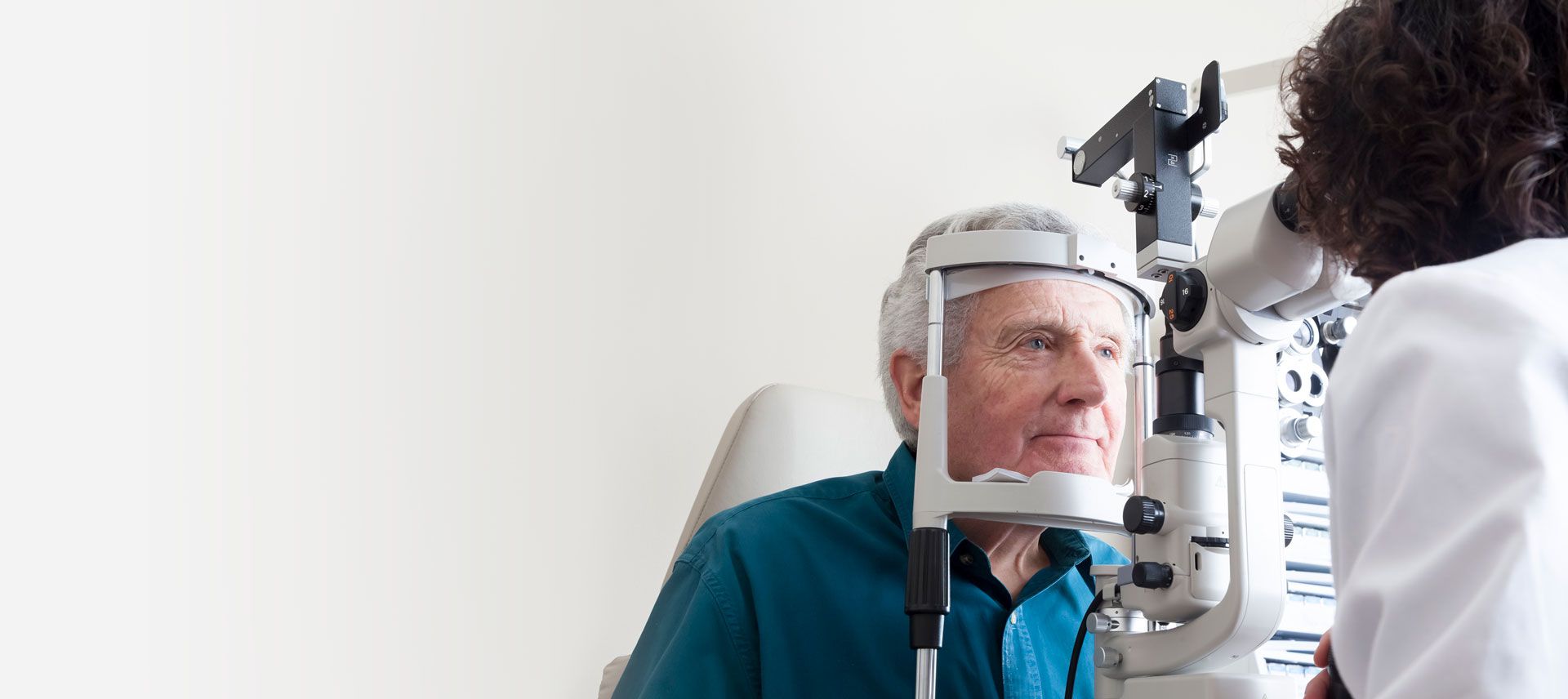
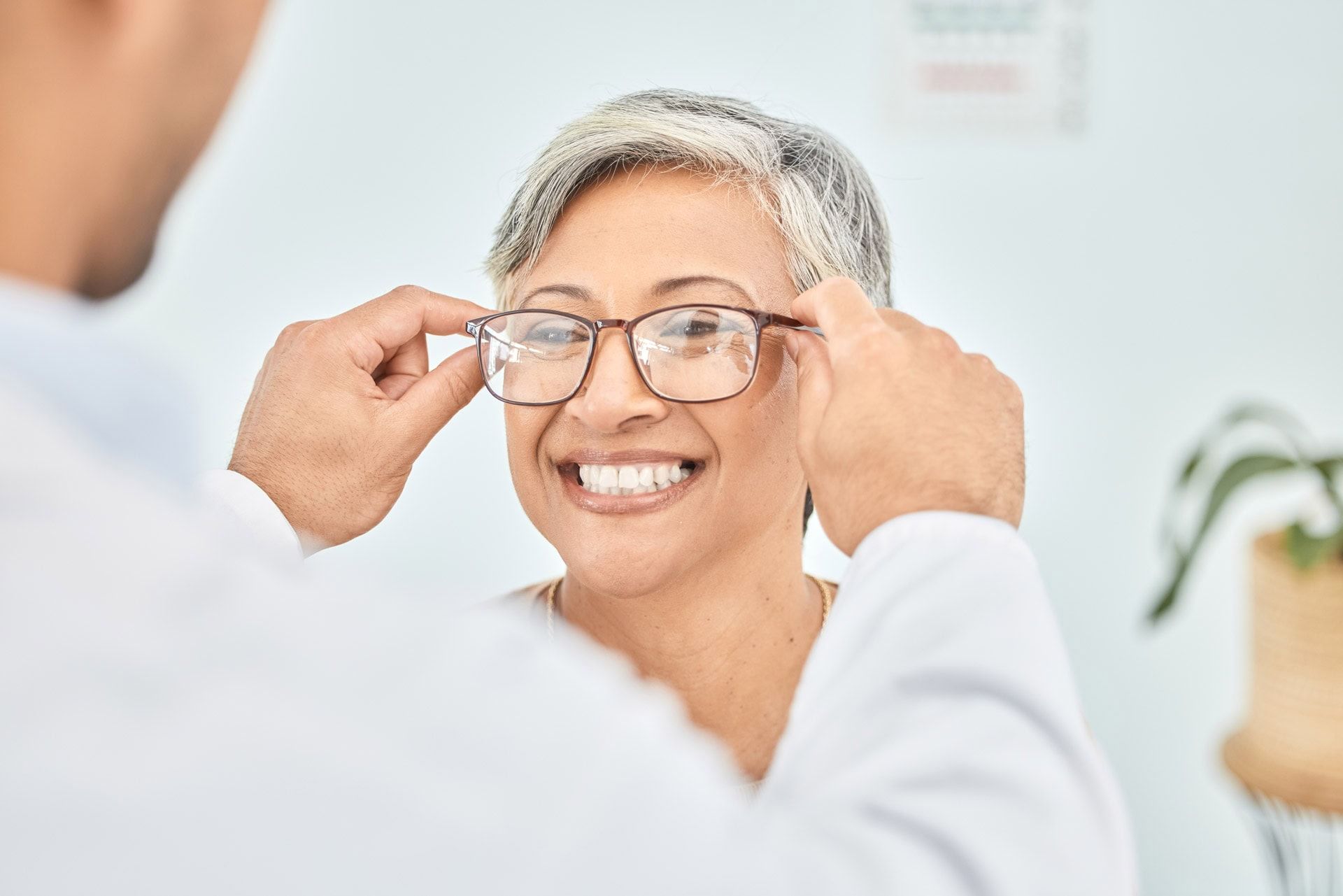
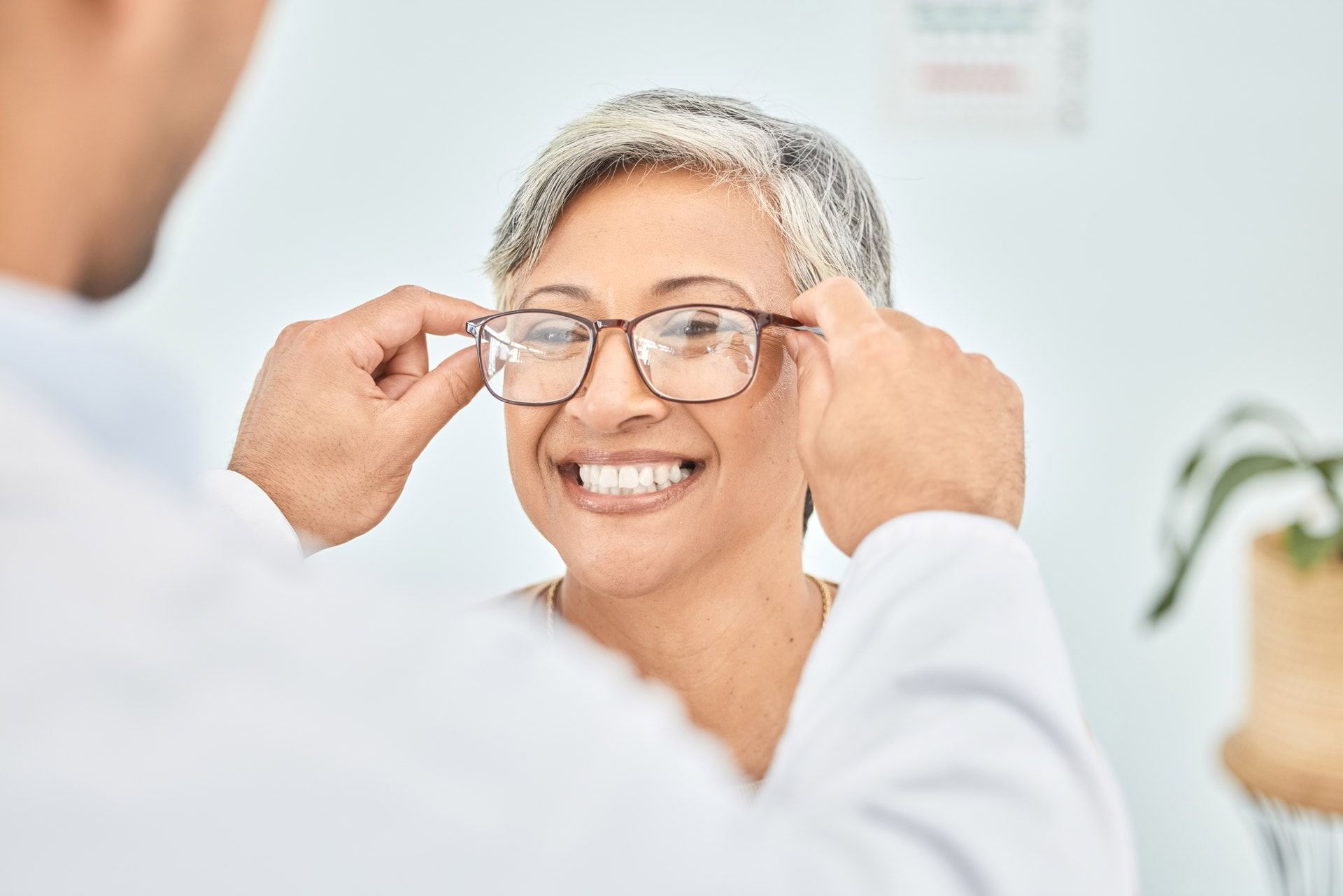
Proper measurement is critical for both bifocals and progressive lenses. An optician must precisely measure your pupillary distance and the optical center of the frame you select. For progressive lenses, they must also measure the fitting height—the exact point on the lens where the distance prescription should end and the intermediate transition should begin. If these measurements are off by even a millimeter, the lenses will feel uncomfortable and your vision will remain blurry.
Before purchasing new lenses, it is strictly necessary to have an updated prescription. Annual eye exams ensure that your multi-focal lenses are crafted to your exact, current visual needs. The clinician will help determine the exact power needed for your reading addition, ensuring that your near vision is crisp without causing unnecessary eye fatigue. Accessing professional eye care services guarantees that the lenses are tailored specifically to your eyes and your chosen frames.
Tips for Adjusting to Progressive Lenses
When transitioning to progressive lenses for the first time, patience is essential. The brain needs time to map the new visual environment. To speed up the adjustment process, put your new glasses on first thing in the morning when your eyes are well rested.
Wear them continuously throughout the day. Switching back and forth between your old single-vision glasses and your new progressives forces your brain to constantly recalibrate, significantly prolonging the adjustment period. Practice moving your head up and down while reading a book to find the exact focal point at the bottom of the lens. Similarly, practice moving your head side to side when looking across a room, rather than relying strictly on your peripheral vision.
Frequently Asked Questions
Are progressive lenses harder to get used to than bifocals?
Yes, progressive lenses generally require a slightly longer adjustment period. Because there are no visible lines, your brain and eye muscles must learn exactly where to look through the lens to find the correct focal point. This process typically takes anywhere from a few days to two weeks of consistent wear.
Can I drive safely with progressive lenses?
Yes, progressive lenses are completely safe for driving. The top portion of the lens provides clear, unobstructed distance vision for looking at the road. The intermediate zone allows you to quickly glance down and read your dashboard or GPS without needing to adjust your head significantly.
Why do the sides of my progressive lenses look slightly blurry?
To fit three different optical zones continuously into one lens, the peripheral edges of progressive lenses naturally have areas of soft focus. This is a normal byproduct of the complex lens design. Turning your head slightly to look directly at objects, rather than glancing sideways, quickly resolves this issue.
How do I know if I need bifocals or progressive lenses?
If you are over 40 and find yourself holding reading material further away to see it clearly, you are likely developing presbyopia. The choice between bifocals and progressives depends entirely on your lifestyle. If you use a computer frequently, progressives are usually recommended. If you only need reading magnification and want a wider reading area without edge distortion, bifocals remain a highly effective option.
Do progressive lenses cost more than traditional bifocals?
Yes, progressive lenses are typically more expensive than traditional bifocals. Manufacturing a lens with a continuous, gradual change in optical power requires advanced digital surfacing equipment and customized engineering. Bifocals are structurally simpler to produce, reflecting their lower average cost.
Conclusion
Navigating the biological changes that come with presbyopia requires choosing eyewear that practically supports your daily habits and visual demands. Understanding the core distinction between progressive lenses vs bifocals makes this transition manageable. Bifocals offer a traditional, two-zone approach with a distinct dividing line, while progressive lenses provide a continuous transition from distance to near vision, including a critical intermediate zone for digital screens. Prioritizing accurate measurements and a clear understanding of your lifestyle ensures that your new lenses will provide consistent clarity and comfort throughout the day.
For individuals seeking additional information about this topic or professional vision care in West Lebanon, NH, Pro Optical provides eye exams, prescription eyewear, and contact lens services. Learn more at https://www.pro-optical.com/.