What to Expect at a Medicare Age Eye Exam in NH
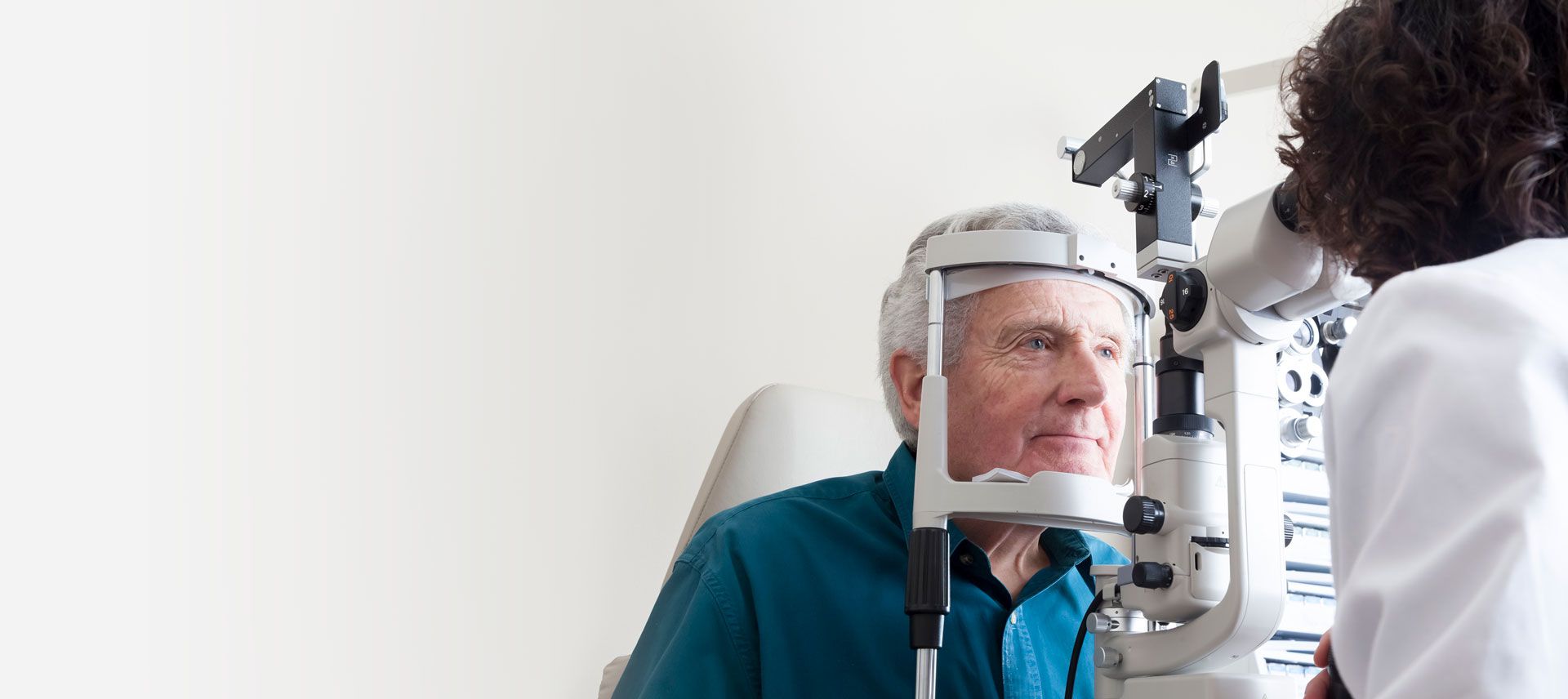
Turning 65 brings many changes to your healthcare routines, including how you manage your vision. A Medicare age eye exam becomes a critical part of maintaining your independence and quality of life. For individuals and families seeking vision care guidance in West Lebanon, NH, and surrounding communities, understanding what happens during these visits can relieve anxiety. Prioritizing senior eye health helps catch age-related conditions early, often before you notice any symptoms. This proactive approach ensures your eyes remain comfortable and your vision stays as sharp as possible.
The Biological Shift in Senior Eye Health
As we age, the internal structures of our eyes undergo natural, expected changes. The crystalline lens inside the eye becomes less flexible and less transparent. The muscles that control pupil size lose some of their strength, making it harder to adapt to varying light levels. Furthermore, the macula—the center of the retina responsible for sharp, detailed vision—can begin to thin over time.
Because of these physical shifts, an eye exam over 65 involves different priorities than exams you may have had in your thirties or forties. The focus transitions heavily from simply updating a glasses prescription to closely monitoring the biological health of the eye's delicate tissues. Preventative care and disease management become the primary goals.
How Often Should Seniors Get Eye Exams?
A common question among older adults is how often they need to be evaluated by an eye care professional. Clinical best practices generally suggest that adults aged 65 and older should undergo a thorough eye examination every year. Annual visits establish a consistent baseline for your vision and ocular health.
Many age-related eye conditions develop slowly and painlessly. Glaucoma, for example, is often called the "thief of sight" because it damages the optic nerve without causing noticeable symptoms in its early stages. By adhering to a yearly schedule, a professional can monitor subtle changes in your eye pressure or retinal health over time, intervening promptly if an issue arises.
What Does a Comprehensive Eye Exam Check?
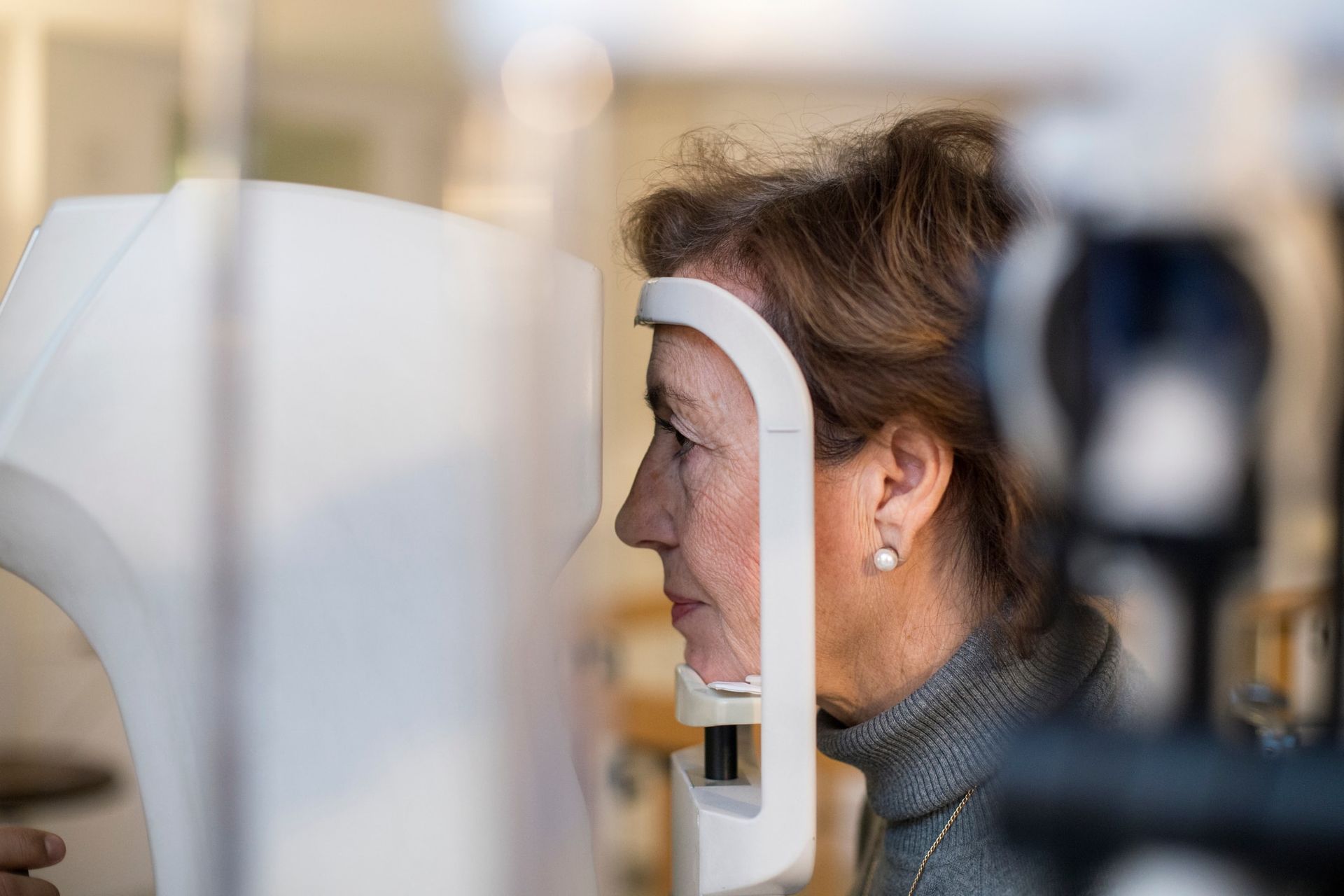
Understanding the specific tests performed can make your visit more comfortable. When asking what does a comprehensive eye exam check, it is helpful to divide the appointment into two main categories: functional vision testing and internal ocular health evaluation.
First, the professional will assess your visual acuity. This involves reading the familiar eye chart to determine how well you see at various distances. They will also perform a refraction, which is the process of determining the exact lens prescription needed to correct any refractive errors like near-sightedness, farsightedness, or astigmatism.
Next, the focus shifts to internal diagnostics. The clinician will check your intraocular pressure using a tonometer. This is a critical step in screening for glaucoma. They will also examine the anterior segment of your eye, which includes the cornea, iris, and lens, looking for early signs of cataracts. Cataracts are a normal clouding of the eye's natural lens that affects almost everyone as they age.
The posterior segment of the eye is also thoroughly evaluated. This involves looking closely at the retina, macula, and optic nerve. Modern clinics often utilize digital eye exams to capture highly detailed images of these internal structures. These digital photographs allow for a precise, microscopic view of your eye health and provide a lasting record that can be compared year after year.
Finally, visual field testing may be conducted. This test maps your peripheral, or side, vision. Loss of peripheral vision can be an early indicator of neurological conditions or glaucoma. The test usually involves looking straight ahead and indicating when you see small flashes of light in your peripheral field.
Navigating Eye Care Coverage at Age 65
One of the primary sources of confusion for older adults is understanding how their healthcare coverage applies to vision care. Understanding the general distinction between routine vision care and medical eye care provides helpful clarity before your visit.
Standard Medicare generally does not cover routine vision care. A routine exam is typically defined as a visit solely to check your vision and update a prescription for glasses or contact lenses. However, if you have a diagnosed medical eye condition—such as cataracts, glaucoma, or macular degeneration—or if you have a systemic disease like diabetes that affects the eyes, the exam is often classified as medical.
In these medical scenarios, Medicare Part B frequently covers the diagnostic procedures required to monitor and manage the disease. Reviewing your specific supplemental plans or vision insurance policies prior to your appointment is the best way to understand your exact benefits.
Updating Your Prescription Eyewear
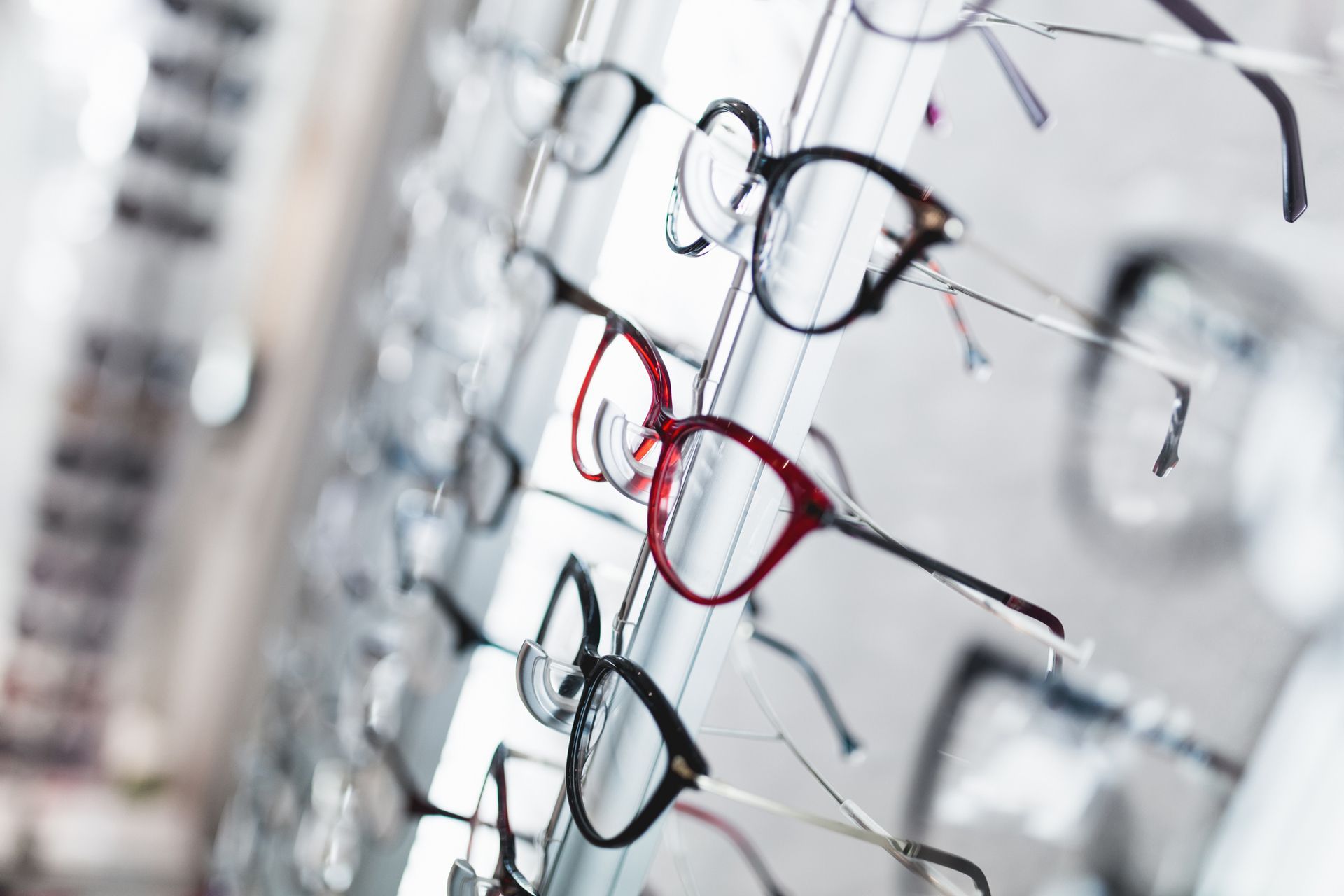
Even if your eyes are perfectly healthy, you will likely notice changes in your functional vision that require new lens solutions. Presbyopia, the natural loss of near focusing ability, continues to progress as you enter your sixties. You may find that your current bifocals or reading glasses no longer provide the clarity you need for computer work, reading fine print, or engaging in hobbies.
During your visit, the clinician will discuss your daily visual demands. You might transition from standard bifocals to progressive lenses, which offer a smooth transition between distance, intermediate, and near vision without a visible line. Alternatively, you may benefit from dedicated computer glasses to reduce eye strain. Finding the right eyeglasses is about matching advanced lens technology to your specific lifestyle requirements.
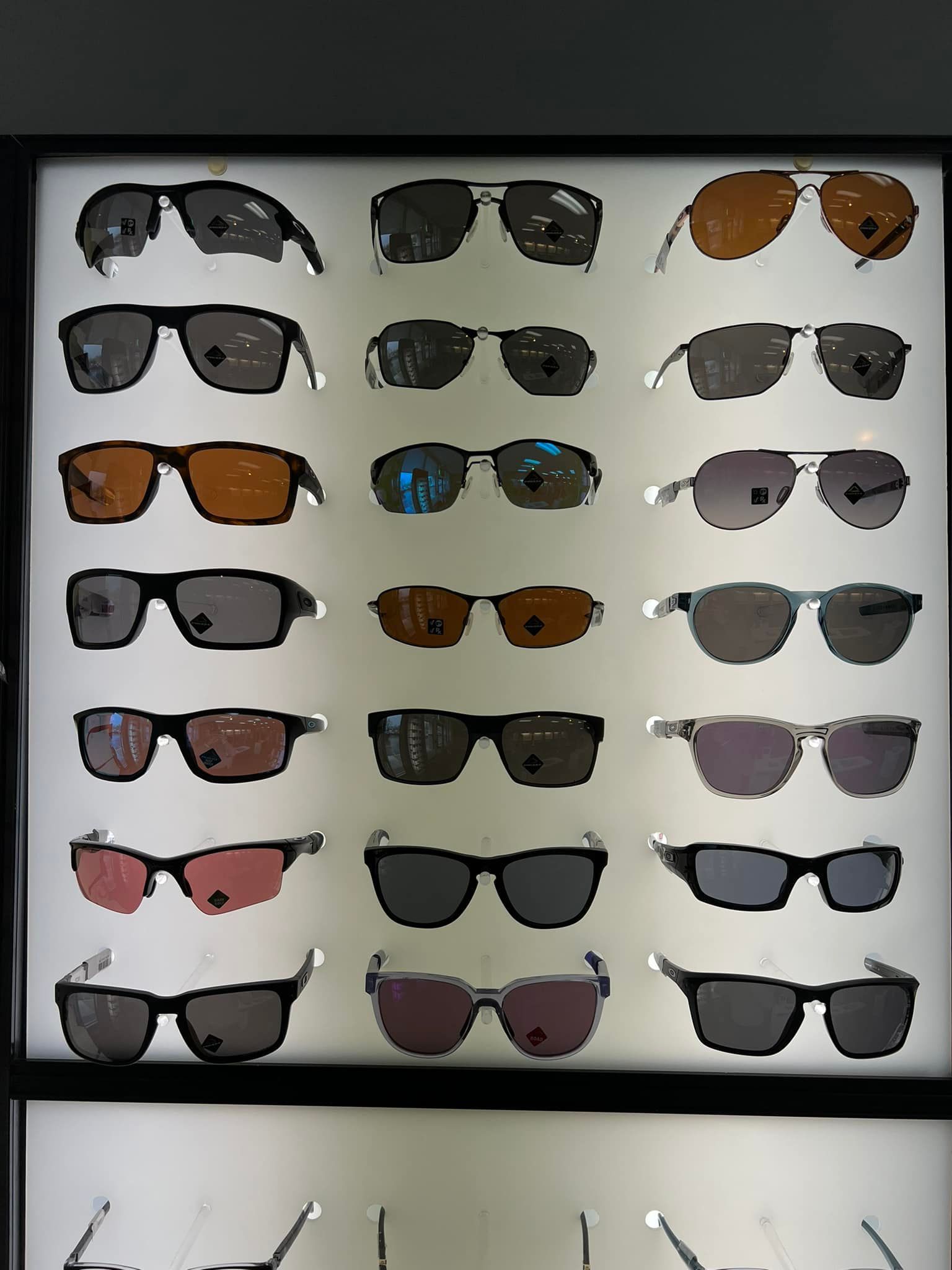
Beyond the prescription itself, lens treatments play a significant role in visual comfort for older adults. Anti-reflective coatings are highly recommended, as they reduce the glare from digital screens and overhead lighting. For seniors who struggle with night driving, this coating minimizes the starburst effect caused by oncoming headlights. Ultraviolet (UV) protection is also critical, as prolonged exposure to UV rays accelerates the development of cataracts.
Preparing for Your Medicare Age Eye Exam
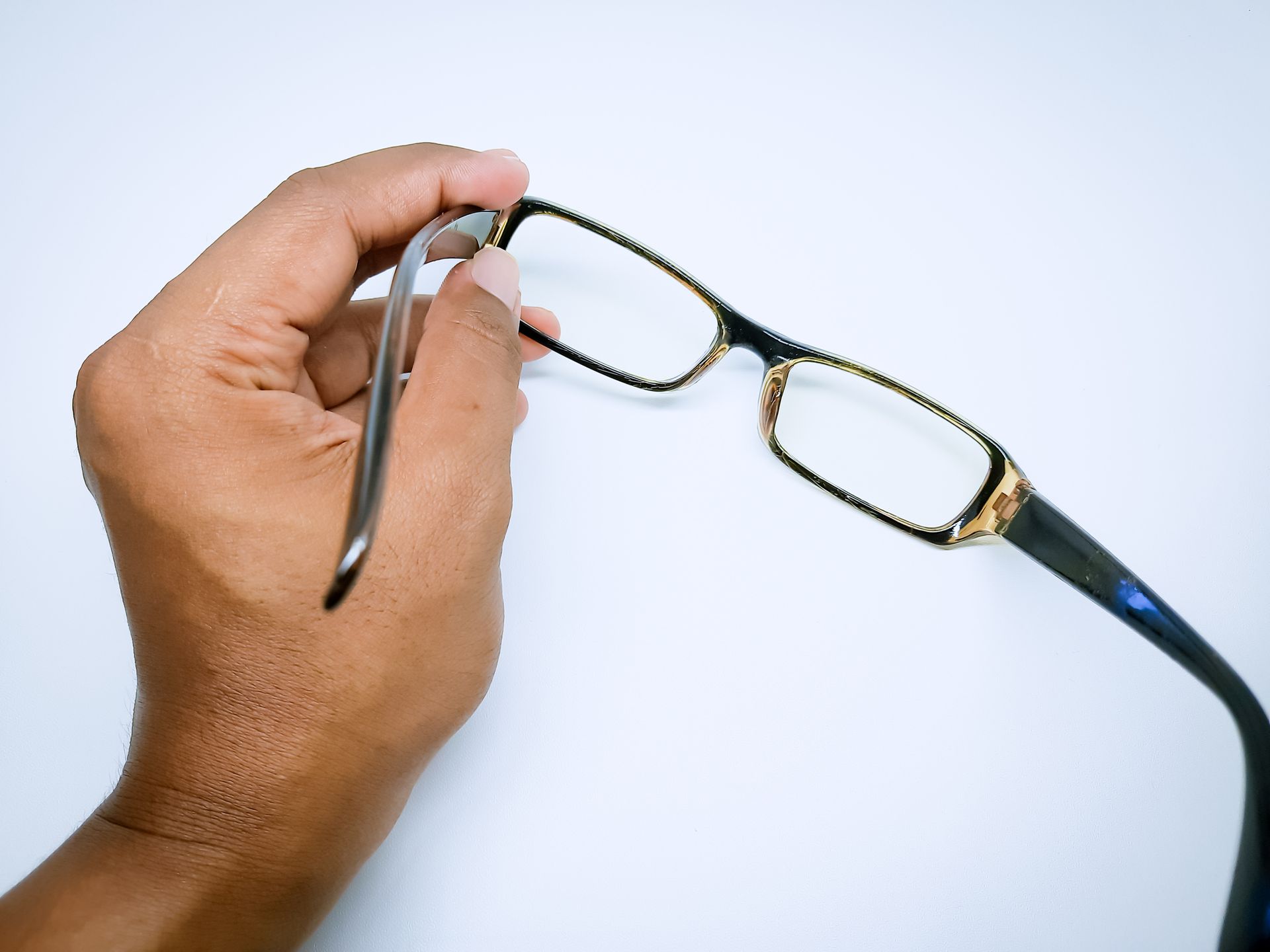
To get the most out of your visit, a little preparation is highly beneficial. Bring all pairs of glasses you currently wear, including prescription sunglasses and over-the-counter reading glasses. This allows the professional to evaluate how your current eyewear is performing and measure the existing prescription.
Equally important is bringing a comprehensive list of your current medications and supplements. Many systemic medications, including those for blood pressure, cholesterol, or allergies, can have ocular side effects such as dry eye or blurred vision. Providing a complete medical history gives the clinician the context they need to accurately evaluate your senior eye health. If you are seeking comprehensive eye care services, having this information readily available ensures a thorough and safe evaluation.
The Importance of Open Communication
During your exam, be prepared to discuss any specific visual challenges you are experiencing. Do not dismiss symptoms simply as a normal part of getting older. If you are experiencing increased glare when driving at night, dry or gritty feeling eyes in the morning, or difficulty seeing in low light conditions, mention these clearly to your provider.
Sometimes, maintaining your independence requires small adjustments to your home environment in addition to updated eyewear. Aging eyes require significantly more light to see clearly than younger eyes. If you struggle to read the newspaper, a professional might suggest increasing the ambient lighting in your reading area or using a direct task lamp. They can also recommend hand-held magnifiers or refer you to low vision specialists if your vision loss cannot be fully corrected with standard prescription glasses. Your eye care provider is a partner in your overall well-being, and discussing your daily habits ensures you receive the most relevant and practical advice.

Frequently Asked Questions
How often should seniors get eye exams?
Clinical guidelines generally recommend that adults aged 65 and older undergo a comprehensive eye examination every year. Annual visits are crucial because the risk for developing eye diseases like glaucoma, cataracts, and macular degeneration increases significantly with age.
Many of these conditions do not present obvious symptoms in their early stages. By maintaining a yearly schedule, your eye care professional can establish a baseline and detect microscopic changes early, allowing for proactive management and preservation of your vision.
Does a Medicare age eye exam hurt?
No, a comprehensive eye examination is a painless process. The tests are designed to be non-invasive and comfortable. You will be asked to look through various lenses, read charts, and focus on lights.
The only part of the exam that might cause mild, temporary discomfort is the measurement of intraocular pressure, which sometimes involves a quick puff of air or a gentle touch to the surface of the eye after a numbing drop is applied. Additionally, if your eyes are dilated, you may experience sensitivity to bright light for a few hours afterward, but this is not painful.
Will I need my eyes dilated during an eye exam over 65?
In most cases, yes, pupil dilation is highly recommended for older adults. The drops used to dilate the pupil widen the opening to the back of your eye, giving the professional a much clearer, wider view of your retina, macula, and optic nerve.
Because the risk of conditions like macular degeneration and diabetic retinopathy increases with age, a dilated exam is the most effective way to thoroughly evaluate your internal eye health. The dilating drops take about 20 to 30 minutes to work, and the visual effects usually wear off within four to six hours.
What is the difference between a routine eye exam and a medical eye exam?
Describe the item or answer the question so that site visitors who are interested get more A routine eye exam is primarily focused on checking your visual acuity and determining if you need a new prescription for glasses or contact lenses. It includes a general health screening, but the main goal is vision correction for daily tasks.
A medical eye exam occurs when you are being evaluated or treated for a specific medical condition or disease that affects the eyes, such as glaucoma, cataracts, severe dry eye, or complications from diabetes. The focus of this visit is on disease management and diagnostics rather than simply updating a refractive prescription.. You can emphasize this text with bullets, italics or bold, and add links.
Can an eye exam detect other health problems?
Yes, a comprehensive eye exam can often reveal signs of systemic health issues before you experience any other bodily symptoms. The eye is the only place in the body where a doctor can directly observe your blood vessels and nerves without making an incision.
During an exam, professionals can spot early indicators of high blood pressure, elevated cholesterol, and diabetes by examining the blood vessels in the retina. In some cases, eye exams have even led to the early detection of certain types of autoimmune diseases or neurological conditions.
Conclusion
Maintaining your visual health as you age requires a proactive and informed approach. A Medicare age eye exam is far more than a simple vision check; it is a comprehensive evaluation of your ocular health designed to catch silent conditions early and keep your eyes functioning comfortably. By understanding what to expect, scheduling yearly visits, and communicating openly about your visual needs, you can protect your eyesight and maintain your independence for years to come.
For individuals seeking additional information about this topic or professional vision care in West Lebanon, NH, Pro Optical provides eye exams, prescription eyewear, and contact lens services. Learn more at https://www.pro-optical.com/.