Wearing Contact Lenses After 50: Options for Aging Eyes and Dryness
Many adults assume that reaching a certain age means giving up on contact lenses entirely. Presbyopia and age-related dry eye can make wearing traditional lenses uncomfortable or ineffective. However, wearing contact lenses after 50 is a highly viable option for most people. Advances in lens technology provide new ways to correct age-related vision loss and maintain daily comfort. For individuals and families seeking vision care guidance in West Lebanon, NH, and surrounding communities, understanding these options helps you make informed choices about your daily routine. Addressing visual changes promptly supports long-term eye health and ensures you remain comfortable whether reading, driving, or working on a computer. Switching from glasses to contacts requires understanding how your eyes physically change over time.
The Biological Mechanics of Aging Eyes
Between the ages of 40 and 50, two significant biological shifts alter how you see and how your eyes feel. The first is a structural change within the eye's natural lens. The second is a chemical shift in how your eyes produce tears. Understanding these mechanisms explains why standard distance contacts stop working as you age.
How Presbyopia Develops
When you are young, the crystalline lens inside your eye flexes easily to change focus from distant objects to close ones. Around age 40, the proteins comprising this lens begin to harden. The surrounding ciliary muscles still contract, but the lens no longer changes shape effectively. This condition, known as presbyopia, makes focusing on close objects increasingly difficult. It is a universal biological process, not a disease.
Changes to the Tear Film
Simultaneously, tear production frequently decreases. The tear film consists of three distinct layers: a mucin layer against the eye, a watery aqueous layer, and an outer lipid layer. Age often impacts the meibomian glands lining the eyelids, which produce the protective lipid layer. Without sufficient lipids, the watery layer evaporates too quickly. This results in the gritty, burning sensation associated with dry eyes.
What Are Multifocal Contact Lenses?
Multifocal contact lenses are specialized corrective lenses designed with multiple prescription zones within a single lens. They allow the wearer to see clearly at near, intermediate, and far distances simultaneously, providing a seamless visual transition without needing additional reading glasses.
Concentric and Aspheric Designs
These lenses typically utilize one of two design principles. Concentric ring designs alternate near and distance prescriptions in a bullseye pattern across the lens. Aspheric designs feature a gradual shift in prescription power from the center of the lens out to the edge. The brain quickly learns to select the correct visual zone for the specific task, whether you are looking at a highway sign or a text message.
Balancing Reading Glasses and Contacts
Some people try to maintain their standard distance contacts while putting non-prescription readers over them for close work. Relying on reading glasses and contacts simultaneously can be physically cumbersome and frustrating. Multifocal lenses eliminate the need to carry secondary eyewear. While there is an adjustment period as your visual system adapts to the new optical input, the resulting convenience allows for a more active, unhindered lifestyle.
Finding the Right Contacts for Dry Eyes
Standard contact lenses rely on the eye's natural moisture to remain soft and comfortable. When tear production drops, standard materials can feel irritating or cause blurry vision by the afternoon. Choosing the right contacts for dry eyes involves evaluating modern lens materials and adjusting your replacement schedule.

The Importance of Oxygen Permeability
The cornea contains no blood vessels. It absorbs oxygen directly from the surrounding air. Placing a lens over the cornea restricts this oxygen flow. Modern silicone hydrogel materials feature high oxygen permeability. They allow significantly more oxygen to pass through to the eye compared to older hydrogel materials. This keeps the cornea healthy, reduces redness, and helps retain natural moisture throughout the day.
Daily Disposables vs. Monthly Lenses
Daily disposable lenses are a frequent recommendation for adults dealing with dryness. A fresh, sterile lens is applied every morning and discarded at night. This prevents the buildup of proteins, lipids, and environmental irritants that naturally accumulate on lenses and exacerbate dry eye symptoms.
The Fitting and Evaluation Process
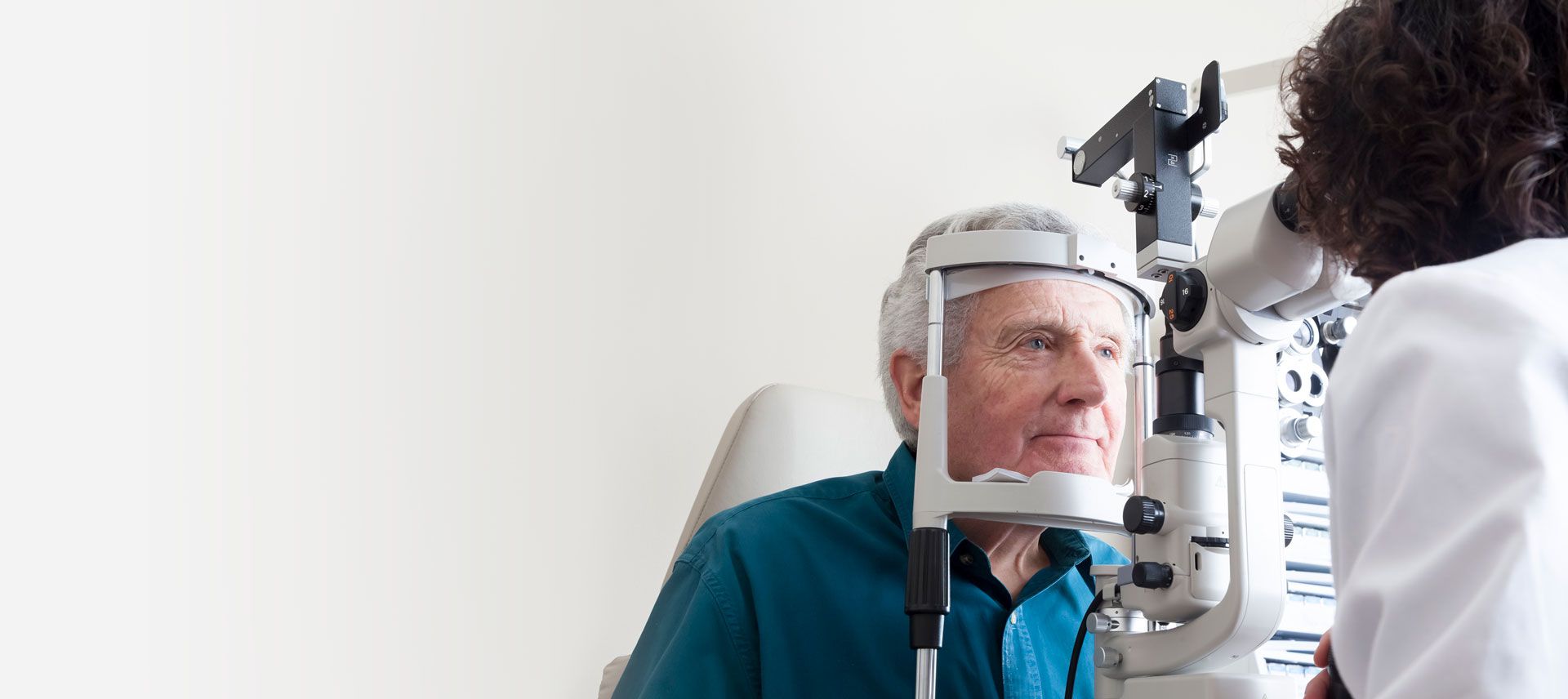
A standard eyeglass prescription does not translate directly to a contact lens prescription. Lenses sit directly on the curvature of the eye, requiring precise measurements. During an evaluation, an eye care professional assesses your tear film quality and maps your corneal shape.
They also discuss your daily visual demands. Trial lenses are typically provided to ensure the material and prescription function well in your specific environment. If the initial fit causes strain, adjustments to the base curve or material are made. Scheduling regular digital eye exams helps monitor your corneal health. It ensures the prescribed lenses continue to fit safely as your eyes mature. Maintaining an updated prescription also allows you to comfortably rely on your prescription eyewear if you prefer giving your eyes a rest in the evenings. Proper evaluation is the foundation of long-term lens success.

Alternative Correction Strategies
Not everyone adapts seamlessly to multifocal designs. If a multifocal lens does not provide the necessary clarity, other clinical strategies exist to restore functional vision.
Monovision Contact Lenses
Monovision is an alternative strategy where one eye is fitted with a lens optimized for distance, and the other eye is fitted with a lens for near vision. The dominant eye is almost always assigned the distance prescription. The brain processes the two different images and blends them. Monovision works effectively for many adults, though it can slightly reduce depth perception compared to multifocals.
Toric Lenses for Astigmatism
Astigmatism occurs when the cornea is shaped irregularly, distorting light at all distances. Historically, adults with both astigmatism and presbyopia struggled to find comfortable lenses. Today, toric multifocal lenses address both issues simultaneously. Toric lenses are weighted to remain stable on the eye without rotating during blinks, ensuring the astigmatism correction aligns perfectly with the eye's shape.
Daily Habits for Contact Lens Success
Wearing contact lenses successfully requires consistent hygiene. Aging eyes are slightly more susceptible to minor abrasions if lenses are mishandled. Wash your hands thoroughly with mild, unscented soap and dry them with a lint-free towel before touching your eyes.
Never use tap water to rinse or store contact lenses. Water introduces harmful microorganisms to the eye. If you wear reusable lenses, carefully follow the cleaning regimen recommended for your specific solution. Storing lenses in fresh solution every night disinfects the material. Never sleep in contact lenses unless they are explicitly prescribed for overnight wear. Sleeping in lenses drastically reduces oxygen flow and increases the risk of severe infections.
Recognizing When to Remove Your Lenses
Even with optimal materials, there are times when contact lenses should be removed. If your eyes become red, painful, or unusually sensitive to light, take the lenses out immediately. Do not ignore persistent foreign body sensations or sudden blurred vision.
Adults experiencing seasonal allergies may also find lenses irritating during high pollen days. Allergens adhere to the lens surface, prolonging exposure and worsening redness. Switching to backup glasses during allergy flare-ups provides necessary relief. Accessing comprehensive eye care services ensures you have the right medical guidance if irritation persists.
Environmental Factors Affecting Wear
Your daily environment heavily influences lens comfort. Heated indoor air during winter or continuous air conditioning during summer drastically reduces ambient humidity. This accelerates tear evaporation, making lenses feel tight.
Prolonged computer use also disrupts comfort. Humans naturally blink less frequently when staring at digital screens, preventing the eyelid from properly spreading tears across the lens. Practicing the 20-20-20 rule—looking at an object 20 feet away for 20 seconds every 20 minutes—helps restore normal blink rates and rehydrates the lens surface.

Frequently Asked Questions
Is it safe to start wearing contact lenses after 50 if I have never worn them before?
Yes, it is entirely safe for most adults to begin wearing contact lenses later in life. A thorough evaluation by an eye care professional ensures your corneas are healthy and your tear production is sufficient to support a lens. The primary challenge for new wearers is simply learning the physical technique of inserting and removing the lenses.
Will multifocal contact lenses completely replace my reading glasses?
For many people, multifocal lenses eliminate the daily need for reading glasses. They provide clear vision for driving, computer work, and reading standard text. However, you may still prefer to use reading glasses for very fine print or extended periods of close work in poorly lit environments.
Why do my contact lenses feel gritty at the end of the day?
Grittiness is a common symptom of the tear film evaporating too quickly, a frequent issue for adults over 50. As the day progresses, environmental factors like screen time and dry indoor air reduce moisture further. Switching to a daily disposable lens or a material with higher oxygen permeability often resolves this late-day discomfort.
How long does it take to get used to multifocal lenses?
The brain requires a period of adaptation to process the multiple visual zones present in a multifocal lens. This adjustment phase typically lasts anywhere from a few days to two weeks. During this time, you may experience slight shadowing around text or mild glare at night as your visual system recalibrates.
Can I use over-the-counter eye drops while wearing my contacts?
You should only use eye drops that are explicitly labeled as safe for use with contact lenses. Standard redness-relief drops or thick artificial tears can permanently cloud the lens material or trap preservatives against your cornea. Always verify compatibility with an eye care professional before introducing new drops to your routine.
Conclusion
Continuing to wear contact lenses after 50 does not have to be a struggle against blurry text and dry eyes. The natural biological changes of presbyopia and reduced tear production are well understood, and modern optical technology offers precise solutions. By transitioning to advanced materials and specialized designs, you can maintain excellent visual acuity without sacrificing physical comfort. Taking a proactive approach to your changing vision ensures you retain flexibility and independence in your daily activities.
For individuals seeking additional information about this topic or professional vision care in West Lebanon, NH, Pro Optical provides eye exams, prescription eyewear, and contact lens services. Learn more at https://www.pro-optical.com/.