How Long Does It Take to Adjust to Progressive Lenses?
Upgrading to progressive lenses restores visual clarity at all distances without the visible lines of traditional bifocals. However, the initial experience often involves a brief period of physical and visual disorientation. For individuals and families seeking vision care guidance in West Lebanon, NH, and surrounding communities, understanding this transition prevents unnecessary frustration and buyer's remorse. Adjusting to progressive lenses is not just about the eyes; it is a neurological learning curve. The brain must map an entirely new way of processing light, focus, and movement. Approaching this optical transition with clear expectations and proper habits ensures long-term comfort and functional independence.
The Optical Mechanics of Progressive Lenses
To understand why an adjustment period is necessary, it helps to look at how progressive lenses are physically structured. Unlike single-vision lenses that contain one uniform prescription, progressive lenses contain a continuous gradient of multiple magnifying powers.
The top portion of the lens holds your distance prescription, allowing you to see far away objects clearly while driving or watching television. As your eye moves downward toward the center of the lens, the power gradually shifts into an intermediate zone. This intermediate area is specifically designed for arm's-length tasks, such as viewing a computer monitor or a car dashboard. Finally, the very bottom of the lens contains the strongest magnification, optimized for reading fine print and close-up tasks.
Because these three zones are blended together seamlessly without a visible dividing line, the brain must learn exactly where to look through the lens to find the correct focal point for a specific distance.

The Standard Adjustment Timeline
The most common question from new wearers involves the exact timeline for achieving visual comfort. The biological adjustment to progressive lenses generally takes anywhere from three days to two weeks of consistent wear.
During the first twenty-four hours, the visual environment will likely feel strange. You may notice that straight lines appear slightly curved or that the floor seems closer than it actually is. By the third or fourth day, the brain begins to subconsciously automatically select the correct optical zone, and the initial disorientation starts to fade. By the end of the second week, most adults navigate their environment, read, and use digital screens without actively thinking about their glasses.
Understanding Initial Physical Symptoms
When first putting on multi-focal eyewear, many adults experience unexpected physical sensations. Understanding the optical reasons behind these symptoms makes them much easier to manage.
Why Progressive Lenses Make Me Dizzy
It is incredibly common to hear adults state that progressive lenses make me dizzy during their first week. This dizziness usually occurs when walking or moving the head rapidly. When you walk, you naturally drop your gaze slightly to check the ground in front of your feet. If you look down through the bottom reading portion of the lens while walking, the floor is suddenly magnified and thrown out of focus. This sensory conflict between your inner ear's balance system and your visual input causes a brief feeling of vertigo or dizziness. Learning to lower your head slightly while looking through the upper distance portion of the lens quickly resolves this issue.
Why a Progressive Lens is Blurry on Sides
Another frequent concern is noticing that a progressive lens is blurry on sides. This is a fundamental characteristic of how progressive lenses are engineered. In order to pack distance, intermediate, and near vision into a single seamless vertical corridor, the optical design pushes the distortion to the outer left and right edges of the lens.
This peripheral distortion is known as "soft focus." You cannot glance sharply out of the corner of your eyes to read a sign; the text will fall into this blurry zone. The brain eventually learns to ignore this peripheral softness, but initially, it can feel restrictive.

Step-by-Step Tips for Wearing Progressives in Your First Week
Learning how to get used to progressive glasses requires active participation. The faster you train your brain to adapt to the new visual zones, the faster the dizziness and blurriness will subside. Use this step-by-step list of tips for wearing progressives to accelerate your adjustment during the critical first week.
- Put Them On First Thing in the Morning Your brain is freshest and most adaptable right after you wake up. Put your new progressive lenses on immediately in the morning rather than trying to switch to them in the middle of a busy afternoon when your eyes are already fatigued.
- Stop Switching Back to Your Old Glasses The most common mistake new wearers make is reverting to their old single-vision glasses or over-the-counter reading glasses when they feel frustrated. Every time you switch back, you force your brain to restart the neurological mapping process, drastically prolonging the adjustment phase. Commit to wearing the progressives exclusively.
- Point Your Nose at What You Want to See To navigate the soft focus on the edges of the lenses, you must change how you look at objects. Instead of moving just your eyes from side to side, turn your head slightly and point your nose directly at the object you are trying to focus on. This ensures your line of sight remains within the clear, central vertical corridor of the lens.
- Adjust Your Reading Posture When reading a book or checking your smartphone, do not lower your head. Keep your head relatively level and drop your eyes downward to access the reading zone at the bottom of the frame. You may need to hold reading materials slightly higher or lower than you are used to until you find the exact "sweet spot" of focus.
- Tuck Your Chin When Using Stairs Navigating stairs can be intimidating during the first few days. To avoid looking through the magnified reading zone, slightly tuck your chin toward your chest and look through the top distance portion of the lens as you step down.
The Importance of Professional Fitting and Measurements
Even if you follow all the recommended adaptation steps, progressive lenses will never function properly if they are not measured and fitted with exact precision.
When you purchase eyeglasses, an optician takes highly specific measurements. They measure your pupillary distance (the space between your pupils) and the optical center of the specific frame you have chosen. More importantly, they measure the fitting height, which dictates exactly where the distance prescription ends and the intermediate transition begins.
If this fitting height is off by even a single millimeter, the intermediate zone may sit too high, disrupting your distance vision, or the reading zone may sit too low, rendering it useless. The physical shape of the frame also matters. Progressive lenses require a frame with enough vertical depth to accommodate all three visual zones comfortably.
Recognizing When an Adjustment is Actually Needed
While a one-to-two-week adaptation period is biologically standard, you should not endure severe discomfort indefinitely. If fourteen days pass and you still experience persistent headaches, severe nausea, or an inability to find the reading zone, a physical adjustment may be required.
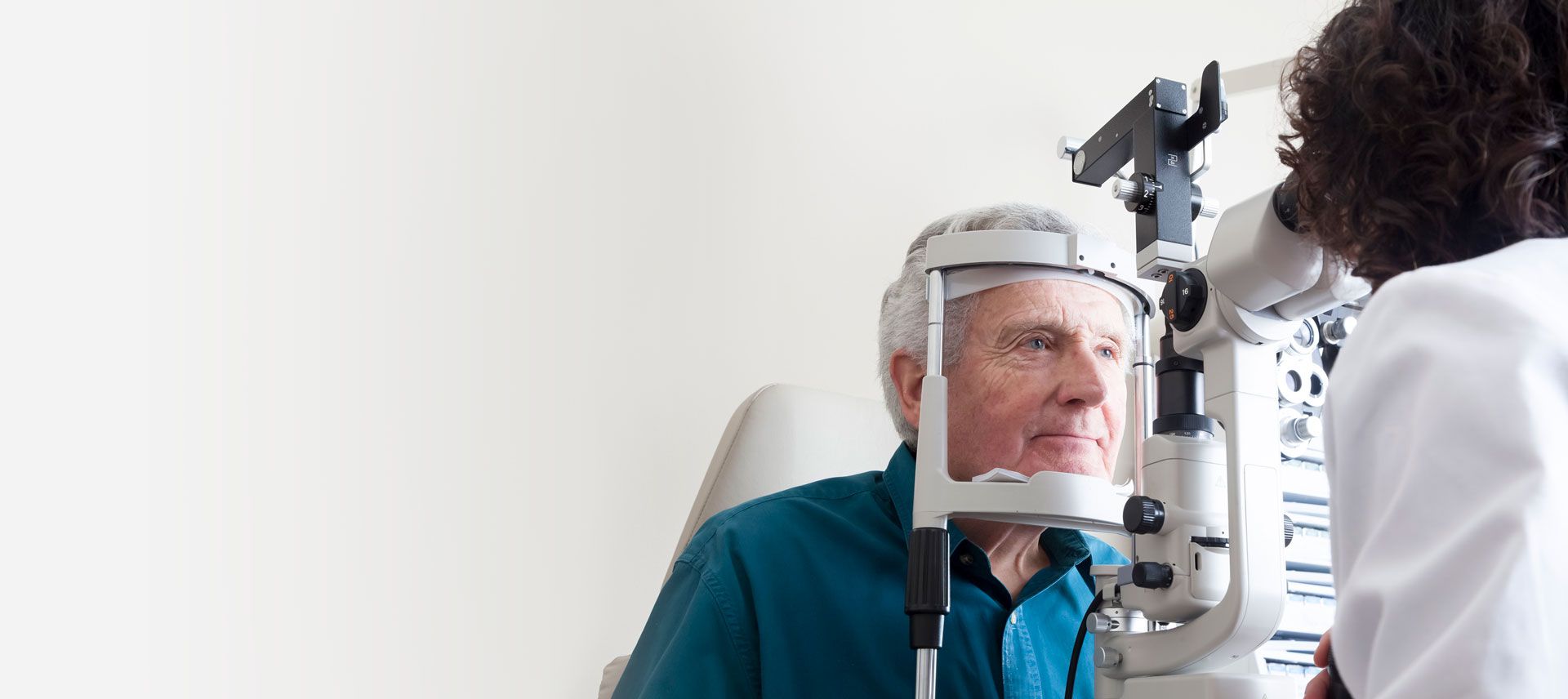
Sometimes, the frame simply needs to be adjusted. If the glasses sit too far down your nose or are tilted at an improper angle, the optical corridor will not align with your eyes. An optician can easily bend the nose pads or adjust the temples to reposition the lenses correctly. Accessing comprehensive eye care services ensures a professional can evaluate the fit and verify that the lenses were manufactured precisely to your prescription. In rare cases, if the standard progressive design is fundamentally incompatible with your visual habits, your provider may recommend switching to a different lens technology, such as a traditional lined bifocal.
Maintaining Accurate Prescriptions Over Time
The crystalline lens inside the human eye continues to harden and change throughout your forties, fifties, and sixties. This means the reading power required in your progressive lenses will inevitably need to be strengthened over time.
If you have been wearing the same progressive lenses for several years and suddenly find yourself tilting your head backward aggressively to read a text message, the lenses have not stopped working; your biological prescription has simply changed. Scheduling routine eye exams annually allows a clinician to monitor these natural shifts. Updating your prescription regularly ensures that the near and intermediate zones in your progressive lenses remain strong enough to support your daily visual demands without causing unnecessary physical strain.

Frequently Asked Questions
Why do my progressive lenses make me dizzy when walking?
Dizziness occurs because the bottom portion of a progressive lens contains strong magnification for reading. If you look down through this section while walking, the ground appears closer and out of focus, conflicting with your inner ear's balance signals. You can prevent this by pointing your nose slightly downward and looking through the top distance portion of the lens when navigating walkways.
Is it normal for my progressive lens to be blurry on the sides?
Yes, peripheral blur is a normal and unavoidable structural feature of progressive lenses. To seamlessly blend three different optical powers into one lens without visible lines, the manufacturing process pushes distortion to the far left and right edges. Turning your head to look directly at objects, rather than glancing sideways, keeps your vision in the clear central corridor.
Can I drive during my first week of adjusting to progressive lenses?
You should exercise caution when driving during the first few days of wearing new progressive lenses. The soft focus on the periphery can make checking your blind spots feel disorienting, and judging distances can temporarily require more concentration. Wait until you feel completely balanced and confident in your spatial awareness before driving long distances.
How do I get used to progressive glasses while working on a computer?
Computer screens typically sit at arm's length, which requires looking through the intermediate zone located in the middle of the progressive lens. You may need to slightly adjust the height of your computer monitor or your office chair to allow your eyes to rest naturally in this middle zone without having to continuously tilt your head up or down.
What happens if I never adjust to my progressive lenses?
While the vast majority of adults successfully adapt within two weeks, a small percentage of people experience chronic non-adaptation. If severe dizziness or visual discomfort persists despite consistent wear and proper frame adjustments, consult your eye care professional. They may suggest a different progressive lens design with a wider corridor or transition you to a traditional lined bifocal or dedicated occupational computer glasses.
Conclusion
Transitioning to a multi-focal lens is a necessary step for maintaining clear vision as the eyes mature, but it requires a brief period of physiological adaptation. The frustration of adjusting to progressive lenses is temporary, provided you wear them consistently and practice pointing your nose directly at what you wish to see. By understanding why peripheral blur occurs and how the magnifying zones interact with your movement, you can navigate the initial dizziness safely. Patience during the first two weeks yields a significant long-term reward: the convenience of seeing clearly at any distance without constantly swapping between multiple pairs of glasses.
For individuals seeking additional information about this topic or professional vision care in West Lebanon, NH, Pro Optical provides eye exams, prescription eyewear, and contact lens services. Learn more at https://www.pro-optical.com/.