Floaters and Flashes in Your Vision: When Should You See an Optometrist?
Noticing specks drifting across your line of sight or experiencing sudden flashes of light can be an alarming experience. These visual disturbances, commonly referred to as eye floaters and flashes, are a frequent occurrence as the human eye matures. For individuals and families seeking vision care guidance in West Lebanon, NH, and surrounding communities, understanding what these symptoms mean helps alleviate unnecessary panic. While these changes are often harmless byproducts of the natural aging process, they can occasionally signal a structural issue within the eye that requires professional attention. Recognizing the specific biological mechanics behind these visual changes empowers you to make informed, timely decisions about your ocular health.
The Biological Anatomy of the Aging Eye
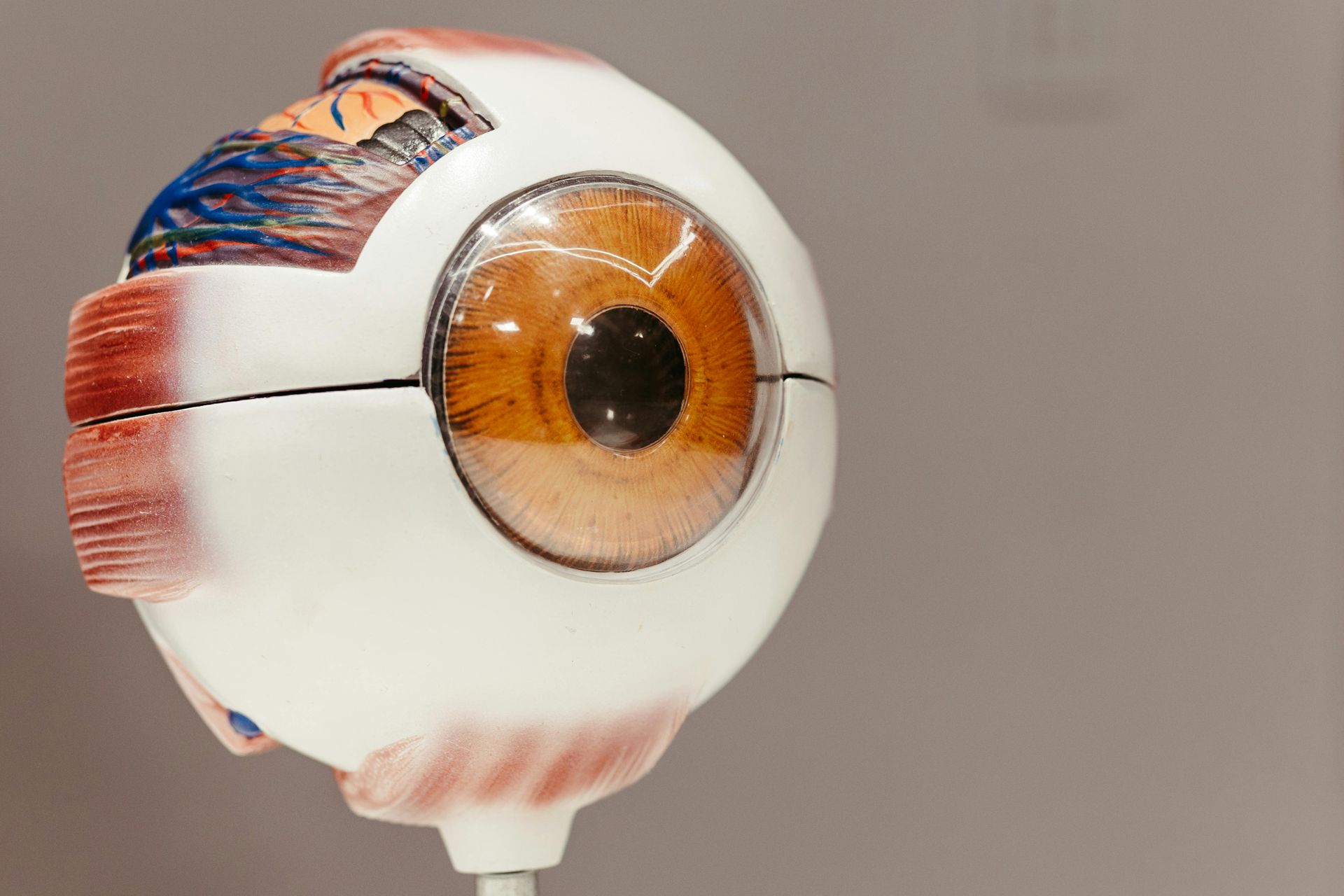
To understand why visual disturbances occur, you must first look at the internal structure of the eye. The large, central cavity of the eye is filled with a clear, gel-like substance known as the vitreous humor. During your youth, this vitreous gel has a firm, highly cohesive consistency that helps the eye maintain its round shape. It is composed primarily of water, along with a network of collagen fibers and hyaluronic acid.
As you enter your forties and fifties, the chemical composition of the vitreous begins to change. The gel slowly starts to liquefy and shrink, losing its firm consistency. This natural biological process is called syneresis. The solid collagen proteins within the gel begin to break down and bind together, floating freely within the newly liquefied pockets of the vitreous
Understanding Eye Floaters
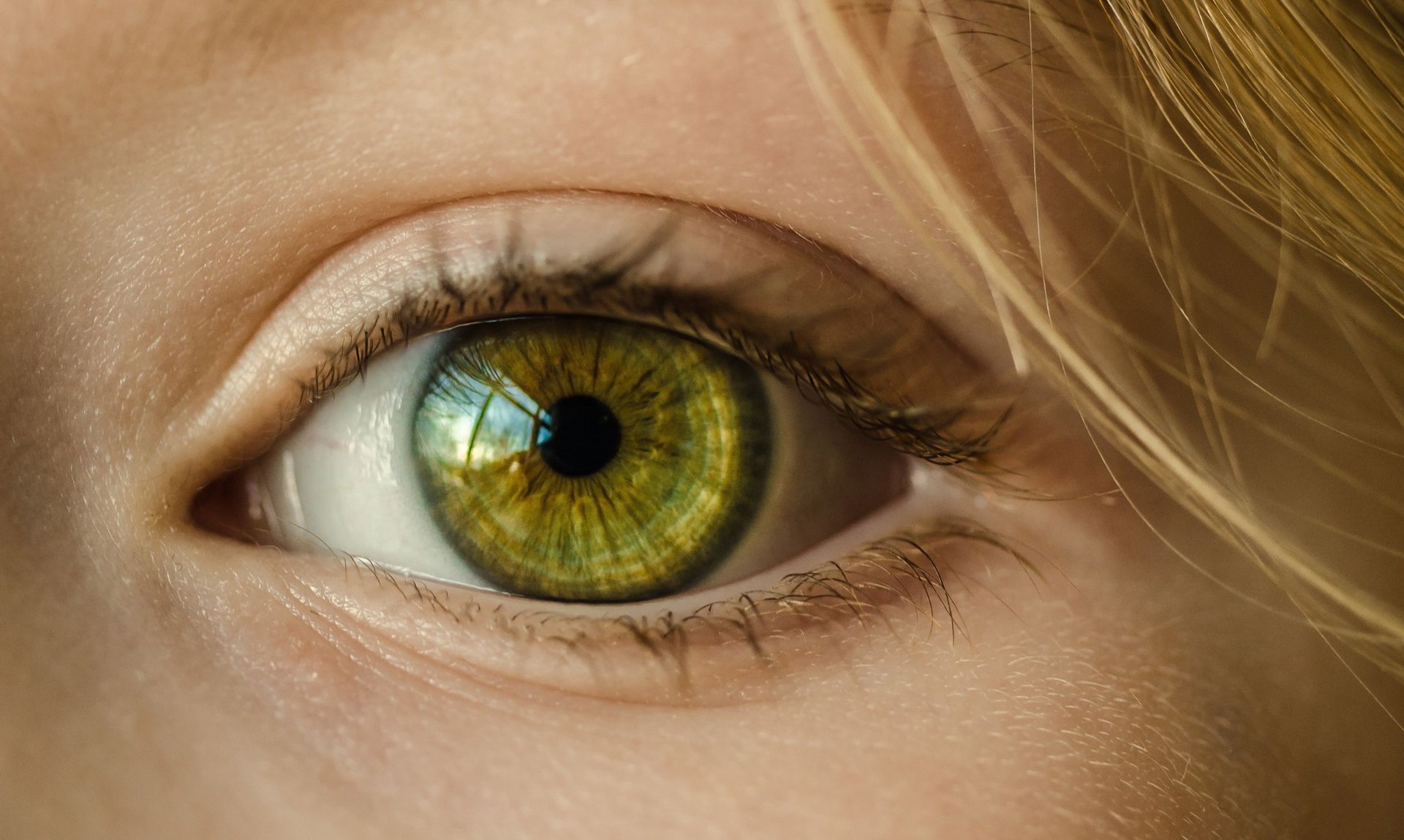
The physical clumps of degraded collagen are what we perceive as floaters. You are not actually seeing the physical clump itself. Instead, as light enters the front of your eye and travels through the vitreous to the retina at the back, these suspended protein clumps cast tiny shadows onto the retinal surface.
These shadows appear in your vision as dark dots, semi-transparent squiggles, cobwebs, or tiny thread-like strands. Because they are suspended in fluid, they drift aimlessly. When you move your eyes to look directly at a floater, the fluid shifts, causing the floater to dart away from your direct line of sight. They are typically most noticeable when looking at a bright, uniform background, such as a clear blue sky, a blank computer screen, or a white wall.
What Causes Flashes of Light in Eyes?
Understanding what causes flashes of light in eyes requires examining how the vitreous interacts with the retina. The retina is the light-sensitive layer of tissue lining the inside back wall of the eye. It acts much like the film in a camera, capturing light and sending those visual signals through the optic nerve to the brain.
The vitreous gel is physically attached to the surface of the retina. As the vitreous shrinks and liquefies with age, it occasionally pulls or tugs on the retinal tissue. The retina does not possess pain receptors; it only processes light. Therefore, when it experiences mechanical stimulation—such as being pulled or bumped—it translates that physical force into a sudden burst of light. These flashes typically appear as quick, lightning-like streaks, camera flashes, or brief arcs of light in the extreme periphery of your vision. They are often most noticeable in dark environments or upon waking in the morning.
The Role of Posterior Vitreous Detachment
Eventually, the shrinking vitreous gel will separate completely from the surface of the retina. This specific biological event is known as a posterior vitreous detachment (PVD). It is an incredibly common occurrence, affecting the vast majority of adults by the time they reach their seventies.
When a posterior vitreous detachment occurs, the structural release often sends a shower of microscopic debris into the fluid. This is why individuals undergoing a PVD frequently report a sudden onset of new floaters, often accompanied by repeated flashes of light as the gel makes its final separation from the retinal tissue. A PVD itself is not a disease, nor does it cause permanent vision loss. Once the separation is complete, the flashes of light typically subside. Accessing professional eye exams during this phase ensures the separation occurred smoothly without causing structural damage.
Are Eye Floaters Dangerous?
A common question among adults experiencing these symptoms is: are eye floaters dangerous? In the vast majority of cases, the answer is no. Standard, stable eye floaters are benign. They are simply a mechanical nuisance caused by normal cellular aging.
However, floaters and flashes become a serious medical concern if the shrinking vitreous pulls too hard on the retina and creates a tear. If a retinal tear occurs, fluid from the liquefied vitreous can seep through the tear and accumulate behind the retina, lifting it away from the back wall of the eye. This results in a retinal detachment, which is a severe medical emergency that can lead to permanent blindness if not treated promptly. The floaters themselves are not the danger, but rather the warning system indicating that the retina is under physical stress.
When to Worry: A Checklist for Seeking Immediate Care
Because benign age-related changes and severe retinal emergencies share the exact same initial symptoms, clinical evaluation is the only way to differentiate between the two. The following specific symptoms indicate a high risk of a retinal tear or detachment.
If you experience any of the following, seek immediate evaluation from an eye care professional:
- A sudden increase in eye floaters: A noticeable, rapid shower of new spots, specks, or web-like structures appearing all at once.
- Persistent, repeated flashes of light: Frequent lightning-like streaks or arcs in the same eye that do not subside.
- A dark shadow or curtain: A gray or black shadow falling over a portion of your peripheral vision, moving slowly toward the center.
- A sudden decrease in visual clarity: An unexplained, abrupt drop in your overall ability to see clearly out of the affected eye.
These specific indicators suggest that the retina has sustained damage or is actively detaching, requiring immediate diagnostic attention.
The Diagnostic Evaluation Experience
If you present to a clinic with a sudden onset of floaters and flashes, the optometrist will perform a specific, thorough evaluation of the internal structures of your eye. This process focuses entirely on the physical integrity of the retina.
To view the peripheral edges of the retina where tears most frequently occur, the clinician will administer dilating eye drops. These drops widen the pupil, opening a clear viewing window into the back of the eye. Using a specialized magnifying lens and a bright light, they will meticulously scan the entire retinal surface, looking for microscopic holes, tears, or signs of fluid accumulation.
This evaluation is painless. The dilating drops will cause temporary sensitivity to light and blurry near vision for a few hours following the appointment, but the physical examination itself is entirely non-invasive. If the retina is fully intact and healthy, the clinician will diagnose a standard posterior vitreous detachment and provide guidance on monitoring the symptoms. Comprehensive eye care services are designed to provide this exact type of acute diagnostic evaluation. Once any medical emergency is ruled out, maintaining your functional vision with an updated prescription for eyeglasses can help reduce the general eye fatigue that sometimes makes adults hyper-aware of visual disturbances.
Managing Daily Life with Harmless Floaters
Once an optometrist has confirmed that your retina is healthy and your eye floaters are benign, the focus shifts to daily management. Over time, the brain undergoes a process called neuroadaptation. It essentially learns to filter out the shadows cast by the floaters, making them much less noticeable during everyday activities.
Furthermore, gravity naturally pulls the heavier collagen clumps toward the bottom of the vitreous cavity, moving them out of your direct, central line of sight. If a floater temporarily drifts directly into your central vision and obscures a line of text while reading, moving your eyes rapidly up and down can often agitate the fluid enough to shift the debris out of the way. Wearing sunglasses outdoors also reduces pupil constriction and minimizes the harsh lighting contrast that makes floaters so highly visible against the sky.

Frequently Asked Questions
Can stress or high blood pressure cause eye floaters and flashes?
There is no direct biological link between emotional stress or standard high blood pressure and the physical formation of eye floaters. Floaters are caused strictly by the physical degradation of the vitreous gel inside the eye. However, high stress levels can make you hyper-vigilant, causing you to notice existing visual disturbances much more frequently than you would when relaxed.
Do eye floaters ever go away entirely?
Benign eye floaters rarely disappear completely, as the physical protein clumps remain inside the closed cavity of the eye. However, they typically become significantly less noticeable over a period of months. The brain gradually learns to ignore the shadows, and the floaters often settle physically into the lower portion of the eye, moving out of your primary field of view.
Is there a natural way to dissolve eye floaters?
Currently, there are no scientifically proven natural remedies, dietary supplements, or over-the-counter eye drops capable of dissolving existing eye floaters. The collagen structures within the vitreous cannot be broken down by external nutrients once they have formed. Patients should be highly cautious of unverified products claiming to eliminate floaters naturally.
How long does a posterior vitreous detachment take to resolve?
The physical process of the vitreous gel separating from the retina usually takes anywhere from a few weeks to a couple of months to complete. During this active separation phase, you will likely experience the highest frequency of floaters and flashes. Once the detachment is fully complete, the flashing lights generally cease, and the floaters begin to settle.
Can I drive if I suddenly see flashes of light?
If you experience a sudden onset of severe flashes or a dense shower of floaters that distracts you or obscures your vision, you should avoid driving. These symptoms can be highly disorienting and may interfere with your ability to react safely to road conditions. It is safest to have someone transport you to an eye care professional for an immediate evaluation.
Conclusion
Encountering eye floaters and flashes is a standard, deeply common part of the eye's aging process. Understanding the biological mechanisms behind a shrinking vitreous and a posterior vitreous detachment helps normalize the experience and reduces unnecessary anxiety. While these symptoms are most often benign, they share exact characteristics with serious retinal emergencies. By learning the specific warning signs—such as a sudden increase in floaters, persistent flashing, or a dark shadow in your vision—you can protect your eyesight through timely, professional intervention. Remaining proactive about your ocular health ensures that structural changes are monitored closely, allowing you to maintain clear, comfortable vision as you age.
For individuals seeking additional information about this topic or professional vision care in West Lebanon, NH, Pro Optical provides eye exams, prescription eyewear, and contact lens services. Learn more at https://www.pro-optical.com/.